您的浏览器禁用了JavaScript(一种计算机语言,用以实现您与网页的交互),请解除该禁用,或者联系我们。[世界气象组织]:2024年全球水资源状况报告 - 发现报告

2024年全球水资源状况报告

2024年全球水资源状况报告

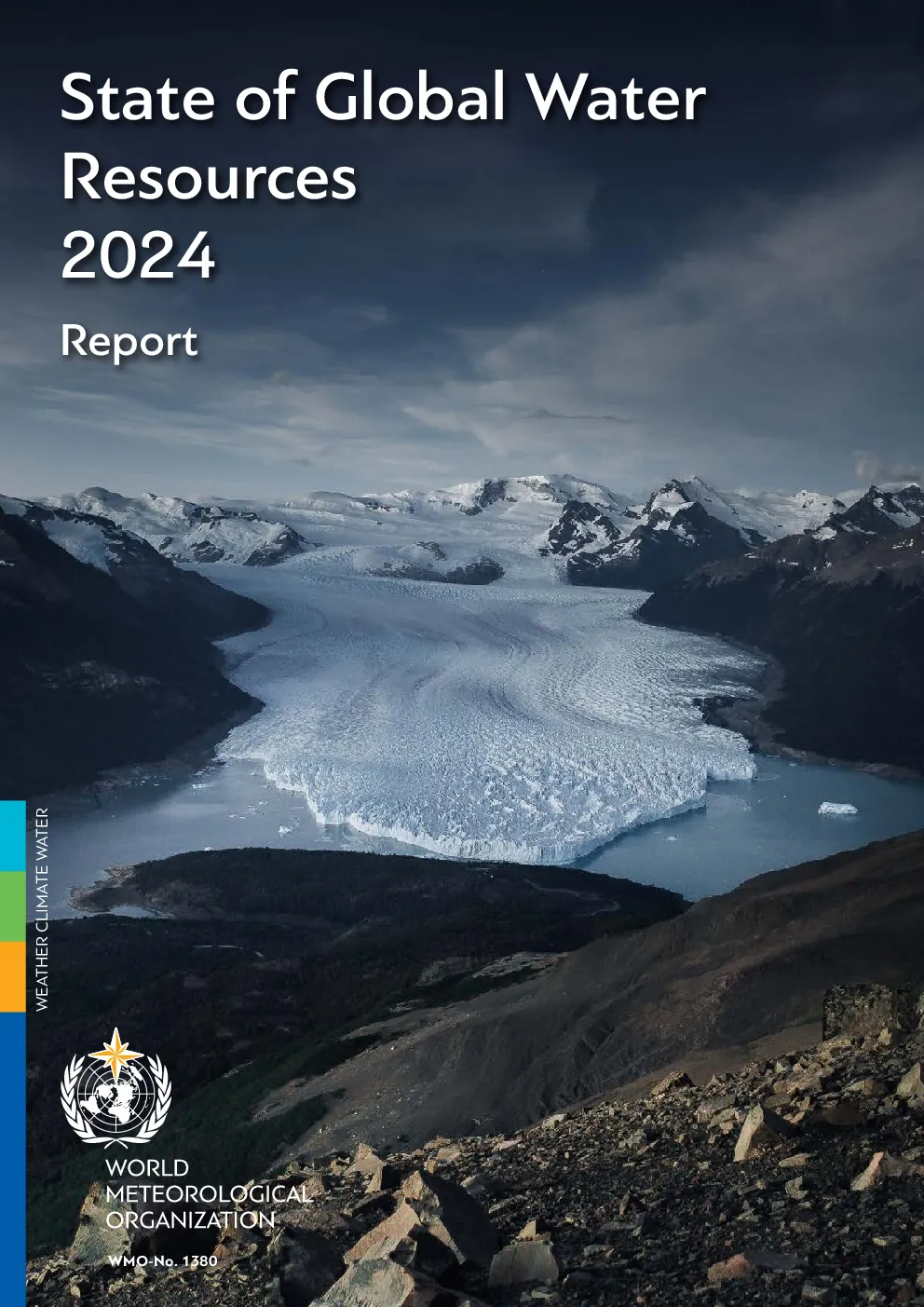
Report Give us your feedback! WMO Publication page Interactive version of the report https://storymaps.arcgis.com/stories/50803c1f47444637b8e2c4683c6c0689 https://wmo.int/publication-series/state-of-global-water-resources-2024 WMO-No. 1380 © World Meteorological Organization, 2025 The right of publication in print, electronic and any other form and in any language is reserved by WMO.Short extracts from WMO publications may be reproduced without authorization, provided that thecomplete source is clearly indicated. Editorial correspondence and requests to publish, reproduceor translate this publication in part or in whole should be addressed to: Chair, Publications BoardWorld Meteorological Organization (WMO)7 bis, avenue de la PaixP.O. Box 2300CH-1211 Geneva 2, Switzerland Tel.: +41 (0) 22 730 84 03Email: publications@wmo.int ISBN 978-92-63-11380-1 Cover photo: Ignacio Bruno, “A quiet night at the edge”, Santa Cruz Province, Argentina. NOTE The designations employed and the presentation of material herein do not imply the expression of any opinion whatsoever onthe part of the Secretariats of WMO or the United Nations concerning the legal status of any country, area or territory, or of itsauthorities, or concerning the delimitation of its borders. The depiction and use of boundaries, geographic names and relateddata on maps and in lists, tables, documents and databases herein are not warranted to be error-free and do not imply officialendorsement or acceptance by WMO or the United Nations. The mention of specific companies or products does not imply that they are endorsed or recommended by WMO in preference toothers of a similar nature which are not mentioned or advertised. The findings, interpretations and conclusions expressed in WMO publications with named authors are those of the authors aloneand do not necessarily reflect those of WMO or its Members. Contents iScope. . . . . . . . . . . . . . . . . . . . . . . . . . . . . . . . . . . . . . . . . . . . . . .iiForeword. . . . . . . . . . . . . . . . . . . . . . . . . . . . . . . . . . . . . . . . . . . . .iiiAcknowledgements. . . . . . . . . . . . . . . . . . . . . . . . . . . . . . . . . . . . . . .ivList of abbreviations. . . . . . . . . . . . . . . . . . . . . . . . . . . . . . . . . . . . . . .viiExecutive summary. . . . . . . . . . . . . . . . . . . . . . . . . . . . . . . . . . . . . .viiiIntroduction............................................1Data sources. . . . . . . . . . . . . . . . . . . . . . . . . . . . . . . . . . . . . . . . . . . . . . .3Anomaly calculation. . . . . . . . . . . . . . . . . . . . . . . . . . . . . . . . . . . . . . . . . . .4The backdrop: Overview of climatic conditions in 2024........................5River discharge. . . . . . . . . . . . . . . . . . . . . . . . . . . . . . . . . . . . . . . . . .8Reservoirs.............................................13Inflow into selected reservoirs. . . . . . . . . . . . . . . . . . . . . . . . . . . . . . . . . . . .13Reservoir storage............................................14Lakes...............................................16Lake levels................................................16Lake water temperature. . . . . . . . . . . . . . . . . . . . . . . . . . . . . . . . . . . . . . . .16Groundwater levels. . . . . . . . . . . . . . . . . . . . . . . . . . . . . . . . . . . . . . .19Soil moisture. . . . . . . . . . . . . . . . . . . . . . . . . . . . . . . . . . . . . . . . . . .22Observed soil moisture. . . . . . . . . . . . . . . . . . . . . . . . . . . . . . . . . . . . . . . .22Modelled soil moisture.........................................22Evapotranspiration........................................24Terrestrial water storage. . . . . . . . . . . . . . . . . . . . . . . . . . . . . . . . . . . .26Snow cover and glaciers.....................................28Snow water equivalent and seasonal peak snow mass. . . . . . . . . . . . . . . . . . . . . . .28Glaciers. . . . . . . . . . . . . . . . . . . . . . . . . . . . . . . . . . . . . . . . . . . . . . . . .30Case study on glaciers in Colombia..................................32High-impact hydrological events. . . . . . . . . . . . . . . . . . . . . . . . . . . . . . . .33Floods in Morocco and Algeria. . . . . . . . . . . . . . . . . . . . . . . . . . . . . . . . . . . .33Floods in Europe. . . . . . . . . . . . . . . . . . . . . . . . . . . . . . . . . . . . . . . . . . . .35Floods in Viet Nam, China, Myanmar and the Philippines......................36Floods in Afghanistan, the Islamic Republic of Iran and Pakistan. . . . . . . . . . . . . . . . .36Floods in Nepal and India. . . . . . . . . . . . . . . . . . . . . . . . . . . . . . . . . . . . . . .36Floods in the United Arab Emirates. . . . . . . . . . . . . . . . . . . . . . . . . . . . . . . . .37Floods and drought in Brazil......................................37Floods and drought in the United States. . . . . . . . . . . . . . . . . . . . . . . . . . . . .