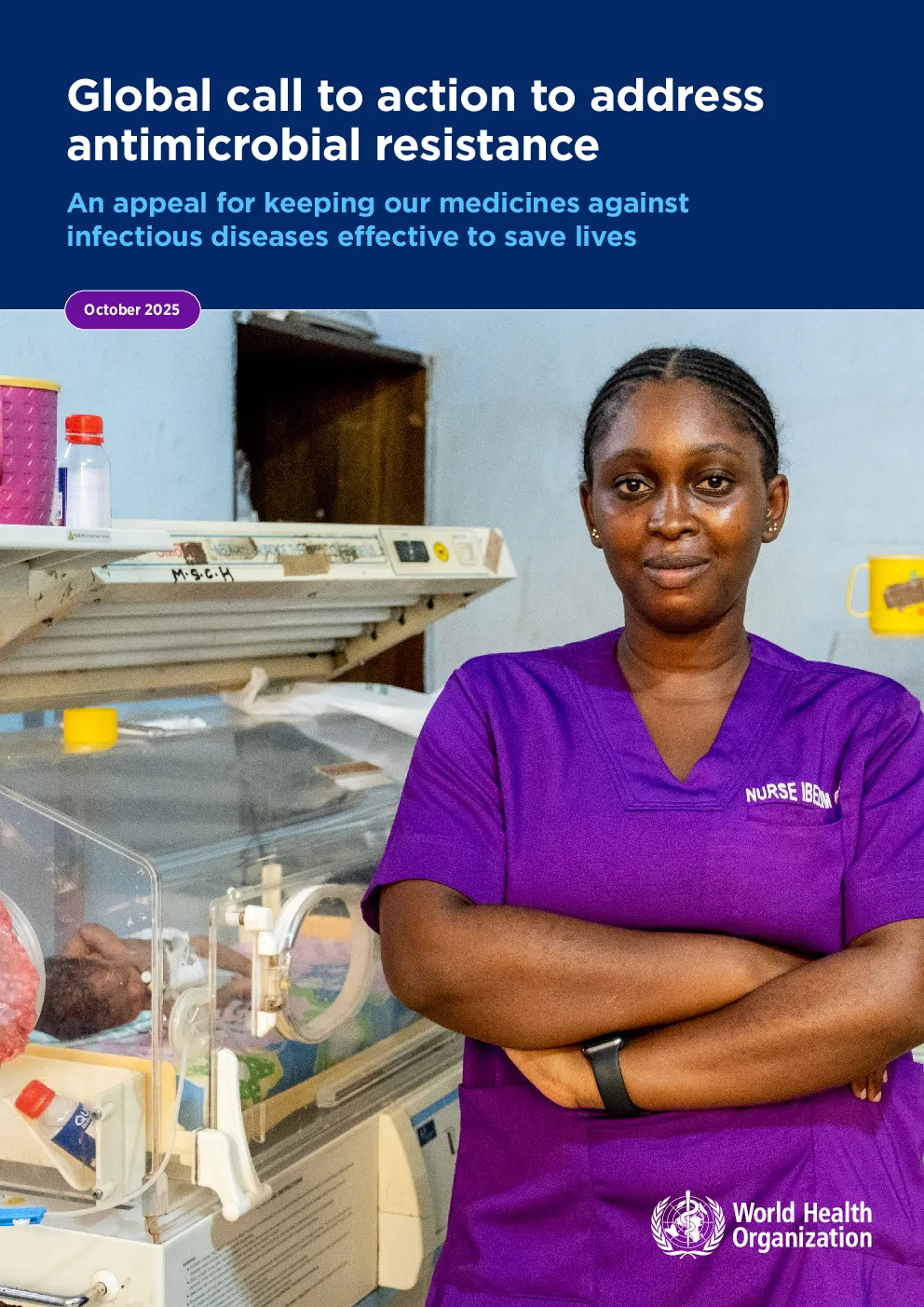
An appeal for keeping our medicines againstinfectious diseases effective to save lives Recognizing the scale of this crisis, WHO has led the globalresponse,coordinating efforts through the One Healthapproach, strengthening health systems, and driving theimplementation of national action plans (NAPs) worldwide.Since the adoption of the Global Action Plan on AMR (GAP)Executive Summary Securing a future where life-saving treatments remain effective: In 2019, WHOidentified AMR as one of the top ten global public health threats, jeopardizing ourability to treat common infections and perform routine medical procedures. Withouturgent action, drug-resistant infections could claim 39 million lives by 2050 and costup to USD 412 billion annually, disproportionately affecting vulnerable populationsand low-resource settings.178 countries had AMR NAPs.TheGlobalAntimicrobialResistanceandSurveillanceSystem(GLASS)expanded to over 100countries reporting AMR data.The AWaRe classification has helped improve antibioticstewardship, with 58% of countries achieving the WHOtarget of 60% "Access" antibiotic use.Thefoundations of a global response have beenestablished.Despitethese advancements,gaps remain in financing,implementation,and monitoring,preventing progress atcountry level. In 2024, the UN General Assembly adopted aPolitical Declaration on AMR, setting clear targets for 2030, Recognizing the scale of this crisis, WHO has led the global response, coordinatingefforts through the One Health approach, strengthening health systems, and drivingthe implementation of national action plans (NAPs) worldwide. Since the adoption ofthe Global Action Plan on AMR (GAP) in 2015, progress has been made. As of 2024:10% reduction in global AMR-related deaths.60% of countries with fully funded AMR action plans.80% of countries with bacterial and fungal resistancetesting capacity.70%of antibiotics used should be from the AccessAWaRe category.WHO remains at the forefront of this fight, leveraging its WHO remains at the forefront of this fight, leveraging itsglobal mandate to set standards, coordinate multisectoralresponses, track progress, and drive investments inprevention, diagnostics, treatment, and innovation. Tomeet the 2030 AMR targets, WHO will implement itsstrategic and operational priorities in a cross divisional,three level, result-based manner. We now call on donorsand partners to:responses,track progress,and drive investments inprevention, diagnostics, treatment, and innovation. To meetthe 2030 AMR targets, WHO will implement its strategicand operational priorities in a cross divisional, three level,result-based manner. We now call on donors and partnersCoordinate actions at global, regional and country levelto increase efficiencies.Secure sufficient financing for WHO at the level of USD80 millions per biennium.AMR is not a future problem—it is an urgent crisis. Throughglobal cooperation and strategic action, we can preservethe effectiveness of life-saving medicines and protect thehealth of future generations. We now have five years todeliver on the UNGA commitment.Dr. Yukiko Nakatani 178 countries had AMR NAPs. The Global Antimicrobial Resistance and UseSurveillance System (GLASS) expanded to over 100countries reporting AMR data.The AWaRe classification has helped improve antibioticstewardship, with 58% of countries achieving the WHOtarget of 60% “Access” antibiotic use.The foundations of a global response have beenestablished. Coordinate actions at global, regional and country levelto increase efficiencies;Global call to action to address antimicrobial resistancewww.who.int|1 Secure sufficient financing for WHO at the level ofUSD 85 million per biennium. Despite these advancements, gaps remain in financing,implementation, and monitoring, preventing progress atcountry level. In 2024, the UN General Assembly adopted aPolitical Declaration on AMR, setting clear targets for 2030,including: AMR is not a future problem—it is an urgent crisis. Throughglobal cooperation and strategic action, we can preservethe effectiveness of life-saving medicines and protect thehealth of future generations. We now have five years todeliver on the UNGA commitment. 10% reduction in global AMR-related deaths.60% of countries with fully funded AMR action plans.80% of countries with bacterial and fungal resistancetesting capacity.70% of antibiotics used should be from the AccessAWaRe category. A diagnosis of drug resistanttuberculosis often comesafter numerous treatmentattempts with differentantibiotics. Cover image: Health care workersare at the forefront of the fightagainst drug resistant sepsis. The Bureau of InvestigativeJournalism / British Society forAntimicrobial Chemotherapy /Damilola Onafuwa The Bureau of InvestigativeJournalism / British Society forAntimicrobial Chemotherapy /Khaula Jamil Secure a future where life-saving medicaltreatments remain effective1 1.1. What is AMR? Antimicrobial Resistance (AMR) occurs when bacteria,virus