您的浏览器禁用了JavaScript(一种计算机语言,用以实现您与网页的交互),请解除该禁用,或者联系我们。 [英国文化协会]:可持续建筑实践 - 发现报告

可持续建筑实践

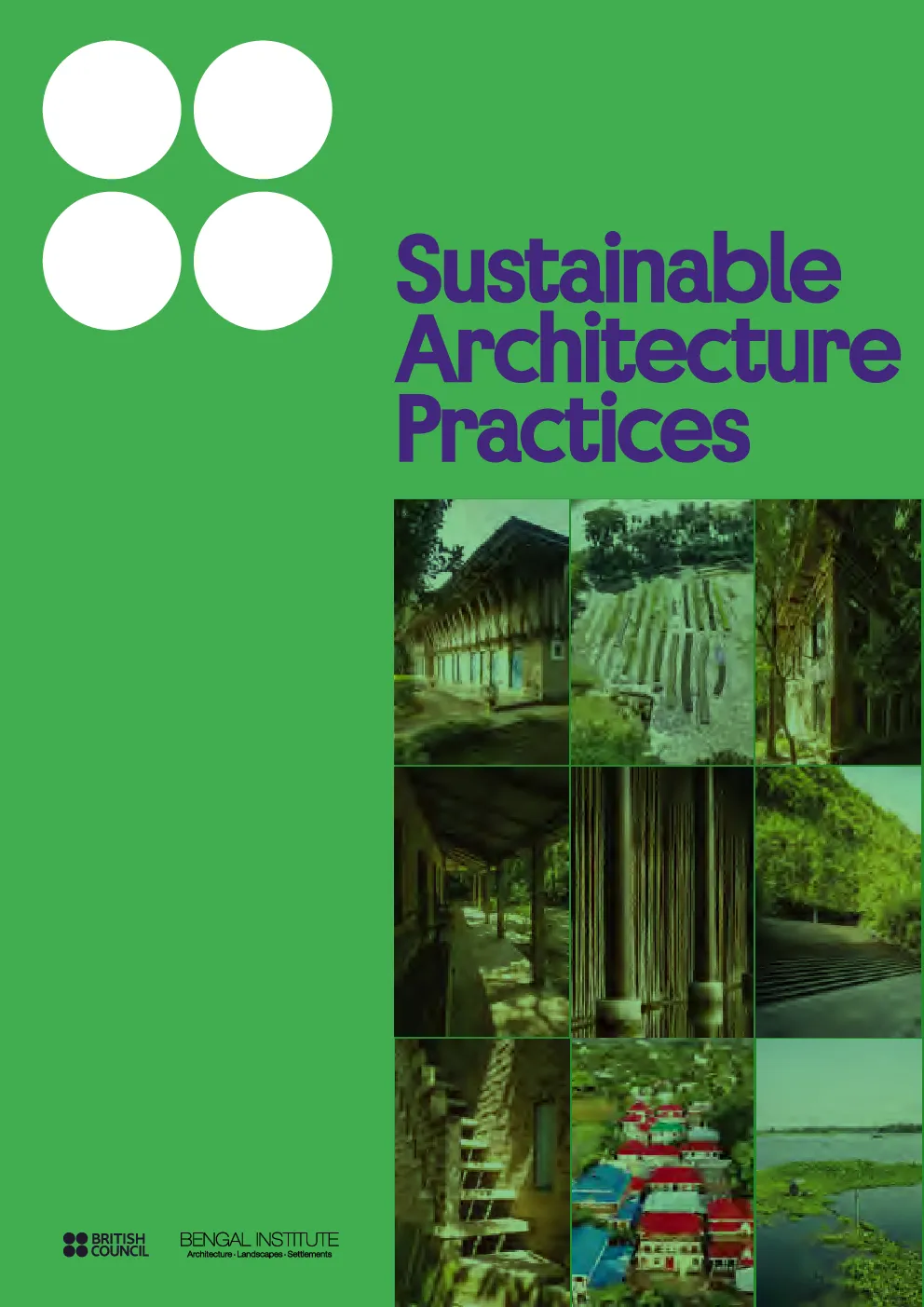
报告封面

SustainableArchitecturePractices Contents Forewords 1A Note from the British Council2A Note from the Bengal Institute5Introduction6Methodology11Thematic Frameworks16Map of Case StudiesTheme 1: Building for Community Welfare18Primary Case Study: Jhenaidah Citywide HousingProcessKhondaker Hasibul Kabir / Co.Creation ArchitectsFurther Case Studies:34Floating Homes / Dream HouseUniversity of Dundee, Resilience Solution, BRAC UniversityC3ER, Global Resilience Partnership36Incremental Slum UpgradingSimple Action for the Environment, and Local CommunityTheme 2: Improving Education Access38Primary Case Study: METI Handmade SchoolAnna Heringer and Eike RoswagFurther Case Studies:56Arcadia Education ProjectSaif Ul Haque Sthapati58Floating SchoolsMohammed Rezwan, Shidhulai Swanirvar Sangstha60DESI Training CentreAnna Heringer Theme 3: Advancing Food Production 62Primary Case Study: Floating Farms (Dhap/Baira)Local InnovationFurther Case Studies:76Urban Rooftop GardeningLocal Community, Dhaka North City Corporation, Department ofAgriculture Extension78Floating Cage Fish FarmingLocal Community, Department of Fisheries80Sorjan Farming: A Climate-Smart ApproachLocal InnovationTheme 4: Making Sustainable Building Forms82Primary Case Study: Karupannya Green Field FactoryNakshabid ArchitectsFurther Case Studies:98Dusai Resort and SpaVitti Sthapati Brindo Ltd.100Mohila Samity ComplexEhsan Khan Architects102BRAC UniversityWOHA ArchitectsTheme 5: Applying Modularity104Primary Case Study: Munshiganj PrefabricatedHousesLocal InnovationFurther Case Studies:118Khudi BariMarina Tabassum Architects (MTA)120Low-Cost Resilient Char HouseAhammad-al-Muhaymin with Shekh Nuru Theme 6: Planning for Climate Resilience122Primary Case Study: Jol O Jongoler Kabbo (Pilot Bari)Khondaker Hasibul Kabir / Co.Creation ArchitectsFurther Case Studies:138Raised SettlementsKashef Chowdhury / URBANA140Miyawaki Micro-Forest142Zinda ParkSayedul Hasan Rana144Coral Marine Habitat and RestorationTheme 7: Reviving Indigenous Practices146Primary Case Study: Zinda Community Village HomeFurther Case Studies:158The Santals Settlement160The Garo Settlement162HOMEmade Family HousesStudio Anna HeringerTheme 8: Applying Adaptive Reuse164Primary Case Study: Amber Denim Loom ShedArcheground / Jubair HasanFurther Case Studies:178Design StudioAtelier Robin Architects / Salauddin Ahmed180Floating HospitalFriendship NGO182Pani Community CentreSchilderScholte ArchitectsTheme 9: Practicing Material and Craft Innovations184Primary Case Study: Swapner Bari (AmphibiousHouse)Dr. Nandan Mukherjee, University of Dundee, BRAC University(C3ER), and Resilience SolutionsFurther Case Studies:200Ukhia SchoolsKashef Chowdhury / URBANA 202Botol Bari | Bottle HouseLocal women, supported by ActionAid Bangladesh204Plastic Bottle HouseShafiqul IslamTheme 10: Creating Innovation in Water and Energy206Primary Case Study: Shobuj Shakti (Green Strength)Biogas PlantATEC Biodigesters, supported by USAID (Feed the Future) andACDI/VOCAFurther Case Studies:208Project LightGiver (Litre of LightBangladesh)EcoVation210Natural Cooling Chamber / Fridge212Generating Electricity using RiverCurrentMonirul Islam214Cross-Cutting Analysis: Ten Lessons from theTen Themes217Recommendations: Translating Lessons into Action219Conclusion220References230Contributors Foreword A Note from the British Council The British Council’s core mission is to build collaborative globalcommunities that inspire innovation and enterprise, creating newopportunities for the UK and global creative sectors to connect. Led bythe Bengal Institute for Architecture, Landscapes and Settlements, thisBritish Council-commissioned research initiative brought togetherspecialists from both Bangladesh and the UK to jointly produce a nationaloverview and case studies. This model of international collaborationincreases the circulation of design knowledge and builds strongerconnections between design sectors globally. The UK creative industries contribute £124 billion GVA (Gross ValueAdded) and 2.4 million jobs and the UK Government’s 2025 CreativeIndustries Sector Plan identifies the importance of further drivinginnovation-led growth. This research identifies exemplary practices inBangladesh that expand and deepen global conversations on researchand design in architecture and design innovation for sustainability.Further, this research demonstrates how architecture in Bangladeshfosters a creative economy that generates local livelihoods and supportsthe transition from informal to formal employment. Sustainability here is reframed not as an aspiration but as a critical“survival strategy” and an “ethical practice” — a framing that resonateswith the UK’s own Net Zero priorities. The report provides critical insightsin support of Bangladesh’s National Adaptation Plan, exploring howspatial practice can protect biodiversity and mitigate disaster risk in acountry where climate-related events affected 3,766 persons per100,000 in 2021. It also celebra