未来性别:技术如何帮助我们理解彼此与自我
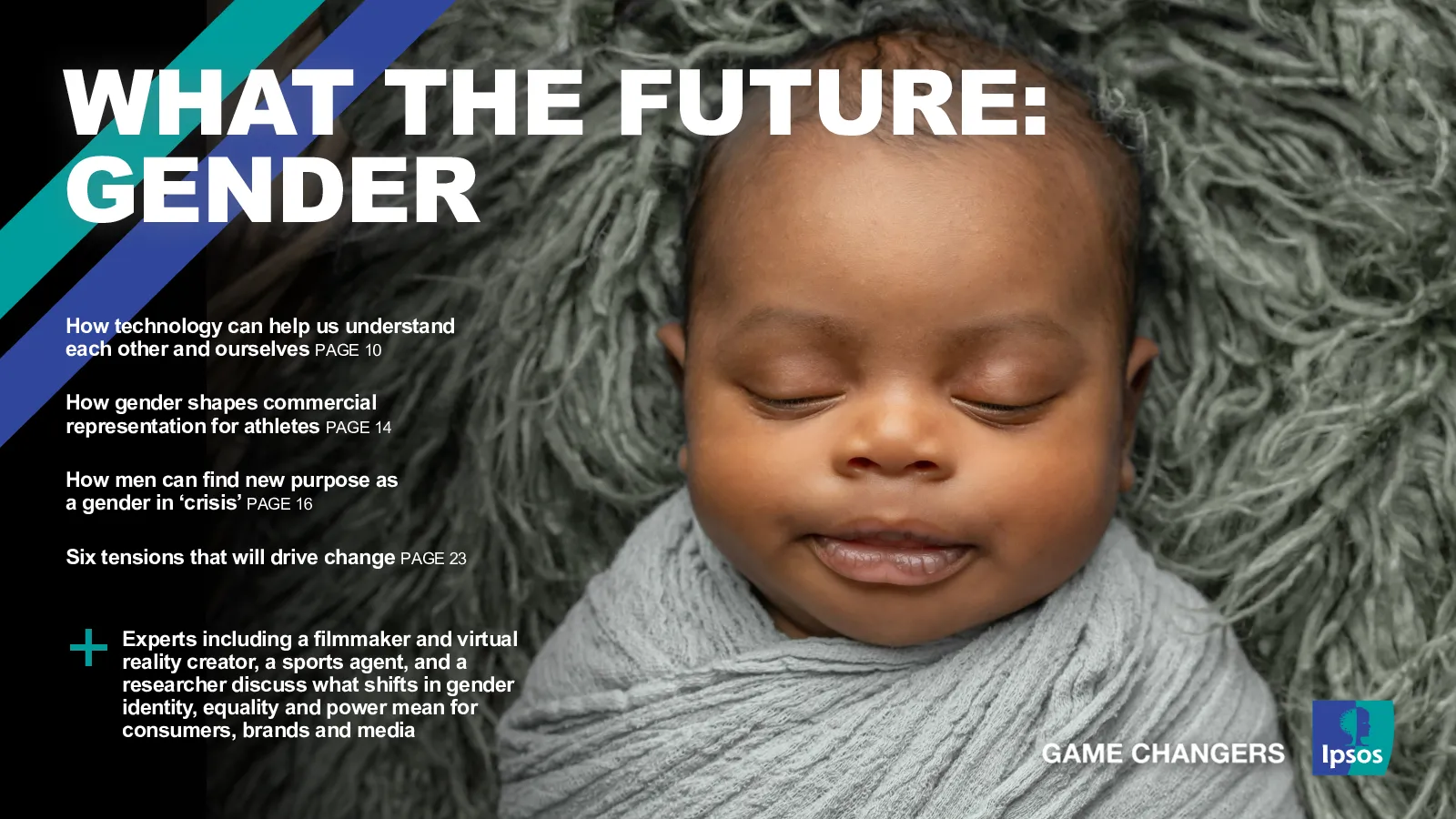
Imagine it’s 2020. Wait, this is What theFuture, not What thePast. But the past provides someneeded context, because in March 2020 we dropped our first What the Future: Gender issue.And then the world changed.Understanding of gender is fluid.Will definitions be, too?In early 2020 we released our first Gender issue. The topicwas in the spotlight in the #MeToo era. The world changedfirst with COVID-19 as the pandemic refocused people’sattention. The world changed again in 2022 with the SupremeCourt’s Dobbs v. Jackson decision. That effectivelyreversed Roe v. Wade, redefining reproductive rights andshifted the political landscape in 2022 and beyond.While our 2020 issue focused on changing definitions ofgender, the 2023 issue finds us amid a sizable shift asstates pass legislation aimed at solidifying gender as binarythat you are born and locked into, at least legally.That definition is one most agree on today even if the (needfor) legislation is a fierce debate. While the long-term vector ofgender rights is toward equality and expansion, trends don’talways move in a direct line, in one direction.We acknowledged but perhaps didn’t lean hard enough intothe potential for this shift, writing then that “In an Ipsossurvey of men, 31% said they feel excluded from the genderspectrum discussion. A similar number are activelyangered by the conversation. Perhaps because 44% feelthey will be attacked if they say what they’re thinking.”This is a fraught landscape for brands to navigate in terms oftheir marketing and their products. Yet one thing was truethree years ago, and, if anything, seems more so today.America’s youth and young adults have very different ideasthan older Americans.Because the conversation we wrote about then is ongoing,many plausible outcomes and scenarios exist. Of course,there is much more to say about gender than this culturaldebate. We get into several of those topics as well. Powered byIpsos2 ‒Powered byIpsosof Americans ages 18-34say gender is a spectrum,compared to 37% of allAmericans.(Source: Ipsos survey conductedApr. 13-14, 2023, among 1,119U.S. adults.) Gender equality for women athletes and women’s sports arejust part of this conversation. So is the opportunity for transathletes to compete, which is an outsized conversation todaygiven how few people it directly affects. But it does affectsomething many people care about: sports.And where do men fit into all this discussion? It’s a questionmen seem to be having as hard a time answering as anyone.Some are allies in efforts to promote equality. Some think wehave reached equality. Some men think they are now theoppressed gender. And as the historical gender roles havechanged in the home, workplace and in the entertainment andpolitical spheres, men are struggling to understand their place.For brands, every case is unique. Every step features potentialbacklash, and potential backlashes to the backlash. Backlashwhiplash, if you will. Yet keep stepping brands must, becauseeven if you want the future to look more like the past, it won’tbein the past. The future is always in the future, and it couldlook something like … everything we talk about in this issue.Matt Carmichael is editor of What the Future andhead of the Ipsos Trends & Foresight Lab. Powered byIpsos3 ‒This is why we chose our cover image. It’s unclear what sex thechild is. There are no blue or pink clues. Will our cover babygrow up in a world with a fluid or binary definition of gender?How will this child express itself in fashion? Growing up, willthis child feel represented and reflected in media and inadvertising? How will this child represent itself in an era wheresocial media both shapes and reflects our identities?In essence, every foresight project isan exercise in asking what kind ofworlds might our children grow up in.Today, a sizable group think gender is a fluid construct, notdetermined by your biology — even if a very small proportionidentify their gender fluidly. A majority think gender is a binaryyou’re born into. Most people think gender stereotypes inmedia are a problem, as is objectification/sexualization ofwomen. Few think these problems will get better. But as thetensions driving the future shift, will things improve, or worsen?Most think that their gender is important to their work, life andrelationships. Cashing in on identities can potentially level theplaying field for athletes and influencers. But there are oftentrade-offs to be made in how people of different gendersportray themselves and the reactions they get from others. of Republicans agree thatgender being described asmore than two genders orsomething outside of male andfemale is changing too quickly.Just 29% of Democrats agree.(Source: Ipsos Consumer Trackerconducted May 9 -10, 2023, among1,117 U.S. adults.) Powered byIpsos4 ‒Contents 5. Future destinationsBased on our data and interviews with experts, we plotout a potential future — a plausible port in our futurejourney. Then, thinking of our tensions