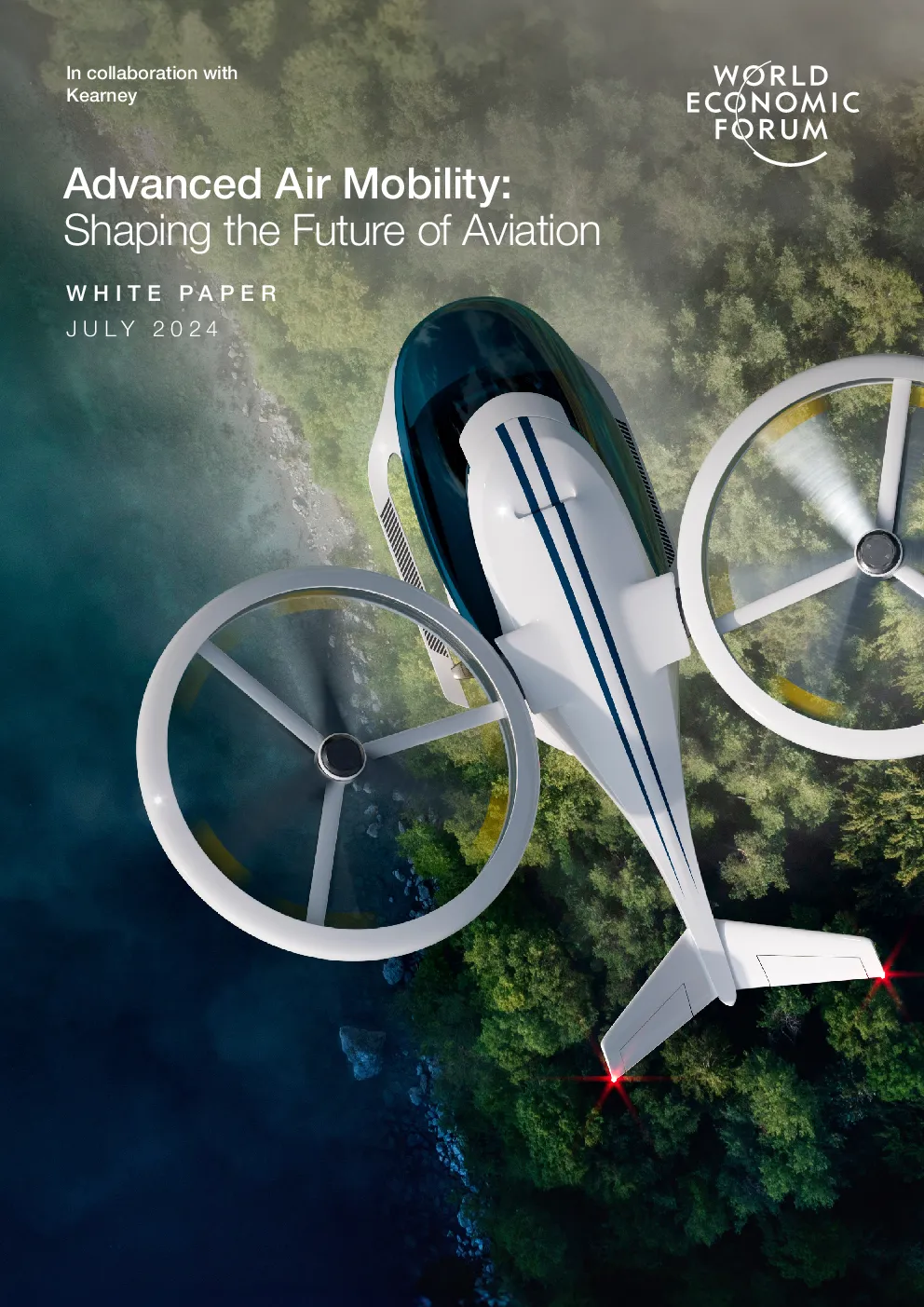
Advanced Air Mobility (AAM) is poised to revolutionize the aviation industry through the integration of cutting-edge technologies such as artificial intelligence, cloud computing, 5G, smart infrastructure, electric motors, and sensor technologies. As an umbrella term for highly automated and electric aircraft, AAM represents a broad and innovative sector within aviation.
Key aspects of AAM include:
- Levels of Automation: AAM aims to advance automation in aviation operations, transitioning from human-in-the-loop scenarios to fully remote-controlled and unmanned operations.
- Electric Aircraft: Leveraging electric engines to reduce carbon emissions and noise pollution, aligning with the industry's goal to achieve net-zero emissions by 2050.
- AI Route Optimization: Utilizing artificial intelligence for enhanced navigation and route planning, improving efficiency and reducing operational costs.
The future of AAM is electric and automation-focused, offering substantial environmental benefits while addressing the growing demand for air travel, estimated to increase by 40% compared to pre-pandemic levels in 2019.
Several challenges remain, primarily in:
- Regulatory Frameworks: Establishing clear guidelines for certification and operation of autonomous and electric aircraft.
- Infrastructure Development: Creating digital and physical infrastructures to manage airspace effectively and integrate AAM seamlessly into existing transportation networks.
- Safety and Acceptance: Ensuring safety standards are met and gaining public acceptance, particularly concerning the transition from manned to unmanned operations.
The impact of AAM extends across various sectors, including healthcare (speedy delivery of medical supplies), logistics in remote areas, and urban transit (increased convenience and reduced congestion). Pilot shortages and the need for more sustainable aviation practices drive the urgency for AAM adoption.
Pilots are expected to adapt to roles that focus on maintenance, monitoring, and emergency management, while the core operations shift to automated systems. The successful implementation of AAM requires collaboration among stakeholders, including governments, businesses, researchers, and the public, to overcome technological, regulatory, and societal hurdles.
In conclusion, AAM promises a more sustainable, efficient, and accessible future for aviation, though significant efforts are needed to navigate the challenges and realize its potential.