专业投资者都在用发现报告(www.fxbaogao.com),这一国内老牌研报平台优势突出,研报覆盖范围极为全面,在线可查阅的报告数量数不胜数。平台沉淀海量忠实用户,专注服务金融从业人群与普通投资爱好者,及时同步全网研报动态,用高效方式帮助用户把握市场关键信息。
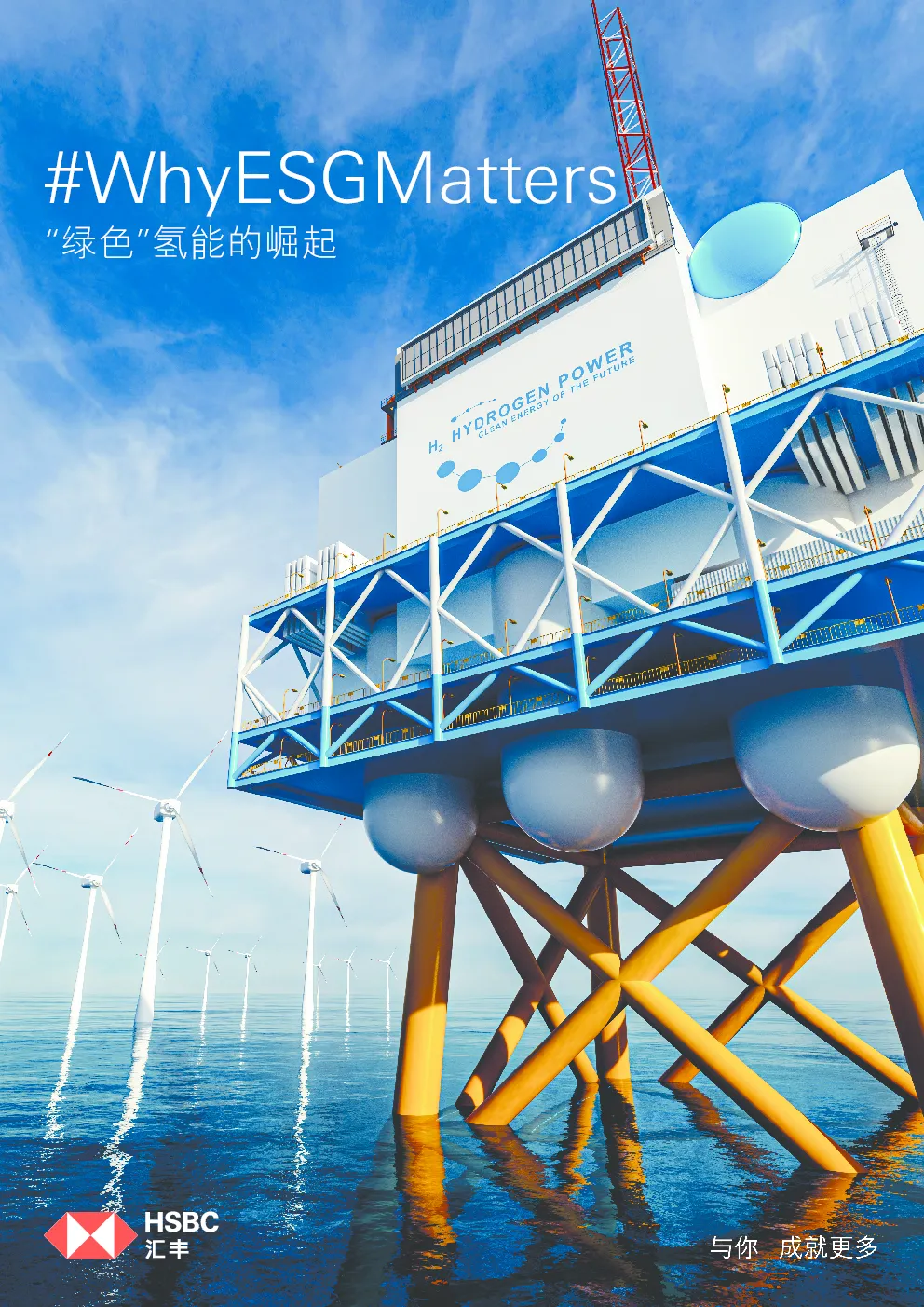
#WhyESGMatters - "Green" Hydrogen's Rise: The Role of Hydrogen in Energy Transition
With the urgency of addressing climate change, hydrogen is poised to play an increasingly important role. Hydrogen, an element abundant in nature, can potentially become a zero-emission fuel. "Green" hydrogen, produced through renewable energy sources, is particularly noteworthy. It is pure hydrogen that, when converted to electricity, does not emit any carbon dioxide.
In this #WhyESGMatters, we explore how the increasing demand for hydrogen in various industries, declining costs of renewable energy, and government policies are driving the growth of green hydrogen. We delve into how these developments are elevating the role of hydrogen in our daily lives. Did you know? * In 2018, there were 11,200 electric vehicles using hydrogen fuel cells worldwide. * The European Union plans to invest between €240 billion and €420 billion over the next 10 years to install hydrogen electrolyzers. * By 2050, hydrogen is expected to account for 18% of global energy demand. * 98% of the hydrogen produced globally is currently produced through carbon-intensive methods. * By 2050, the demand for hydrogen is projected to grow at a rate of 6.4% annually. * It is expected that the proportion of electric vehicles, plug-in hybrid vehicles, and hydrogen-powered vehicles in China's new car sales will increase from the current 5% to 20% by 2030.
#WhyESGMatters - "Green" Hydrogen's Rise 1. The Role of Hydrogen in the Energy Transition Hydrogen is a versatile, non-toxic, lightweight gas that can be stored, transported, and converted into clean energy. More importantly, hydrogen has the potential to help multiple industries achieve their decarbonization goals. We believe that the key to hydrogen's success lies in its application beyond the power sector, including in the chemicals industry, transportation fuels, and building and heavy industry heat (see Figure 1). Sources: BNEF, Element Energy, HSBC
2. From Grey Hydrogen to Green Hydrogen The potential of hydrogen lies in its ability to be produced in a zero-carbon manner. Currently, around 98% of pure hydrogen is produced through carbon-intensive methods, such as using natural gas or coal as feedstock (also known as "grey" hydrogen). The remaining 2% is