人工智能在医疗健康与生命科学领域的现状:2026年趋势
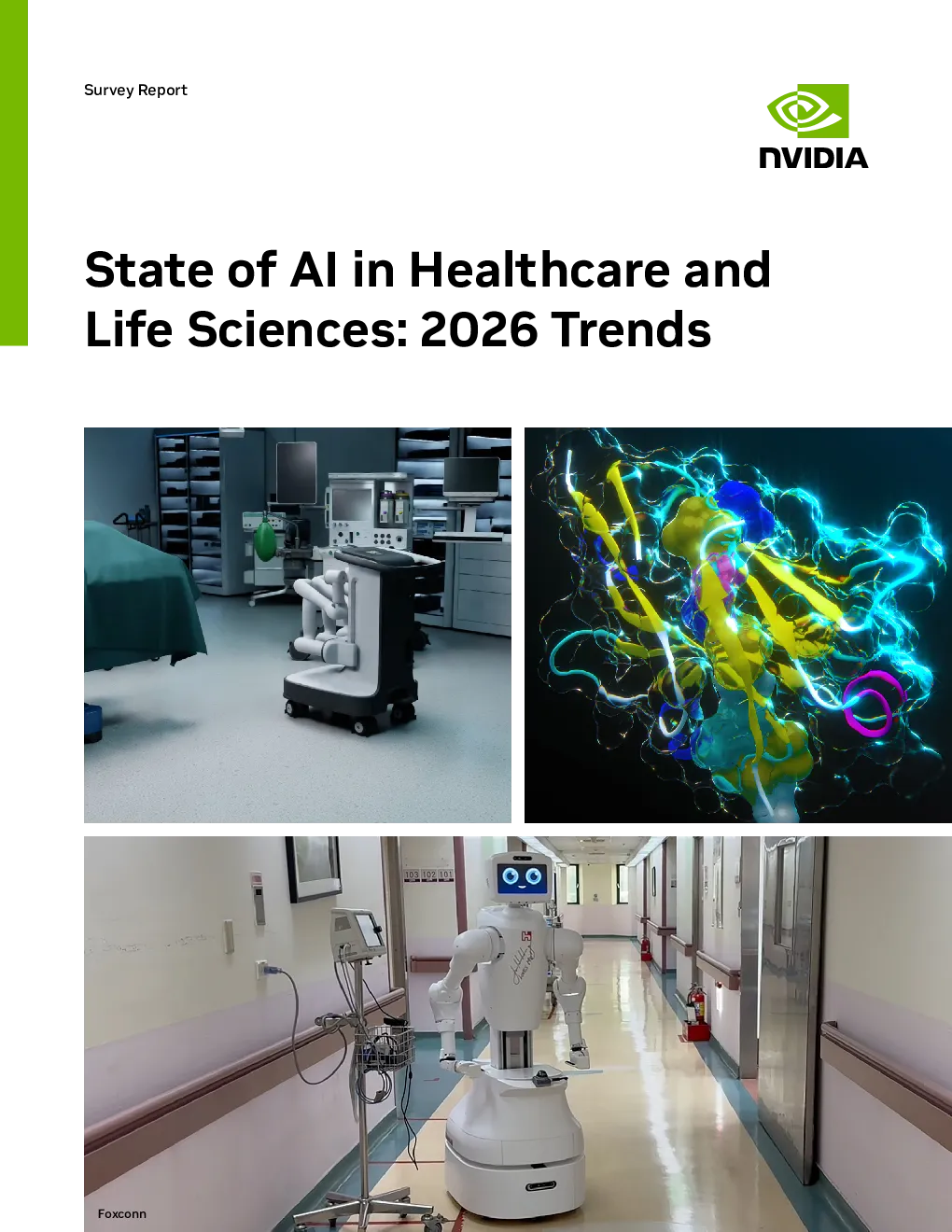
医疗与生命科学领域人工智能发展现状:2026年趋势展望 Table of Contents Survey Overview AI in Healthcare and Life Sciences: Key Trends for Industry Leaders3Executive Summary4 An In-Depth Look at the Results Healthcare and Life Sciences Climb the AI Adoption Curve6Open Source Is Key to Building Specific AI Solutions9Agentic AI Makes a Promising Debut10The Revenue Impact of AI on Healthcare and Life Sciences12Looking Forward14Methodology15 目录 调查概述 人工智能在医疗与生命科学领域的应用:行业领导者的关键趋势3执行摘要4 对结果的深入分析 医疗健康与生命科学领域加速AI应用进程6开源是构建特定AI解决方案的关键9代理型人工智能的前景初探10人工智能对医疗与生命科学领域的收入影响12展望未来14方法学15 Survey Overview AI in Healthcare and Life Sciences: Key Trendsfor Industry Leaders Artificial intelligence is everywhere in healthcare and life sciences. AI hashelped medical device manufacturers maintain regulatory readiness as devicesare updated to new designs and best practices. It has significantly reducedthe time required for research and development of new drugs, treatments,and devices. And AI has even been used to create digital twins of the humanbody to map tumors and help treat cancer. At the same time, AI agents are enabling clinicians to get back to what theywere trained to do: engaging with patients. In short, AI has been truly transformational for the industry. And it’s justgetting started. In the2026 State of AI in Healthcare and Life Sciencesreport, NVIDIA surveyedhundreds of industry professionals to examine the impact that AI is having onthe industry, how different industry segments are developing and deployingAI, and the impact that AI is having on companies’ bottom lines. AI has been growing into healthcare and life sciences for several years, and thematurity curve has hit an inflection point in the last year. AI has had proven business results, with organizations seeing a return oninvestment from their top AI projects. In particular, organizations are buildingand scaling specific AI use cases, using open-source foundation models andtools to fine-tune their data to create truly impactful solutions. The2026 State of AI in Healthcare and Life Sciencesreport examines theadoption of AI in the industry, the use cases that organizations are deploying,and the impact and investment into new solutions. A new section this year explores the adoption and use of AI agents. 调查概述 人工智能在医疗与生命科学领域的应用:行业领导者的关键趋势 人工智能已全面渗透医疗保健与生命科学领域。AI助力医疗器械制造商在设备更新至新设计及最佳实践时保持法规合规性。该技术显著缩短了新药、疗法及设备研发所需时间。此外,AI甚至被用于创建人体数字孪生模型以绘制肿瘤图谱并辅助癌症治疗。 与此同时,人工智能代理正使临床医师能够回归其受训的核心职责:与患者进行互动。 简而言之,人工智能已为该行业带来真正意义上的变革,而这场变革才刚刚拉开序幕。 在2026年医疗保健和生命科学领域人工智能现状报告中,NVIDIA调查了数百名行业专业人士,以研究人工智能对该行业的影响,不同行业部门如何发展和部署人工智能,以及人工智能对公司的利润的影响。 人工智能(AI)在医疗保健和生命科学领域的应用已持续数年发展,其成熟度曲线在过去一年中已达到拐点。 人工智能已取得显著商业成效,众多企业通过其核心AI项目实现了投资回报。具体而言,这些企业正依托开源基础模型与工具,构建并扩展特定AI应用场景,通过数据微调开发出真正具有影响力的解决方案。 2026年《医疗保健和生命科学领域人工智能现状报告》对人工智能在行业中的应用、企业正在部署的使用场景,以及对新解决方案的影响和投资。今年新增的章节探讨了人工智能代理的采用与应用。 Executive Summary AI Adoption Is Growing Faster 69% 70% said their organizations areactively using AI, up from 63%in 2025. said they’re using generative AIand large language models, upfrom 54%. The healthcare and life sciences industry has a proven appetite for artificialintelligence, with strong adoption across the industry, from digital healthcare tomedical technology and pharmaceutical research. Even the one segment thathas historically been slow to adopt new technologies—payers and providers,which includes organizations like hospitals, primary care doctors, and insurancecompanies—had a strong rise in AI adoption in this year’s survey. Predictive and Data Analytics is the Core of Healthcare AI 42% 65% said their organizations useAI for data analytics anddata science. said they use AI to supportclinical decision making. Predictive and data analytics are the core of AI in healthcare and life sciences,supporting many diverse AI workloads across each industry segment. Drugdiscovery, diagnostics, medical imaging, personalized medicine, and more allrely on predictive and data analytics to accomplish specific tasks. The analysistrickles down from research to the patient, with industry developers lookingfor turnkey solutions to integrate AI into clinical workflows. The Tangible Business Impact 57% 46% from pharmaceuticalorganizations said they’veachieved ROI from AI for drugdiscovery and development. from the medtech segment saidthey’ve seen ROI from AI formedical imaging. The survey data tells a compelling story about AI in healthcare and life sciences:When specific AI is applied to distinct use cases, it’s both effective andprofitable. Medical technology companies are seeing ROI from their investmentsinto medical imaging AI, and pharmaceutical companies are seeing ROI fromtheir AI solutions for drug discovery and personalized medicine. 执行摘要 AI应用增速加快 69% 70% 他们表示正在使用生成式AI和大型语言模型,这一比例较之前的54%有所提升。 其机构正积极运用人工智能,这一比例较2025年的63%显著提升。 医疗保健与生命科学行业对人工智能(AI)展现出明确需求,其应用范围涵盖数字医疗、医疗技术及药物研发等多个领域。即便在传统上对新技术接受度较低的支付方与服务提供方(包括医院、初级保健医师及保险公司等机构),在今年的调查中也呈现了显著的AI应用增长趋势。 预测与数据分析是医疗AI的核心 42% 65% 他们表示使用人工智能辅助临床决策。