您的浏览器禁用了JavaScript(一种计算机语言,用以实现您与网页的交互),请解除该禁用,或者联系我们。[牛津经济研究院]:特朗普效应:美国和中国如何推动亚洲工厂的外国直接投资演变(英)2026 - 发现报告

特朗普效应:美国和中国如何推动亚洲工厂的外国直接投资演变(英)2026

特朗普效应:美国和中国如何推动亚洲工厂的外国直接投资演变(英)2026

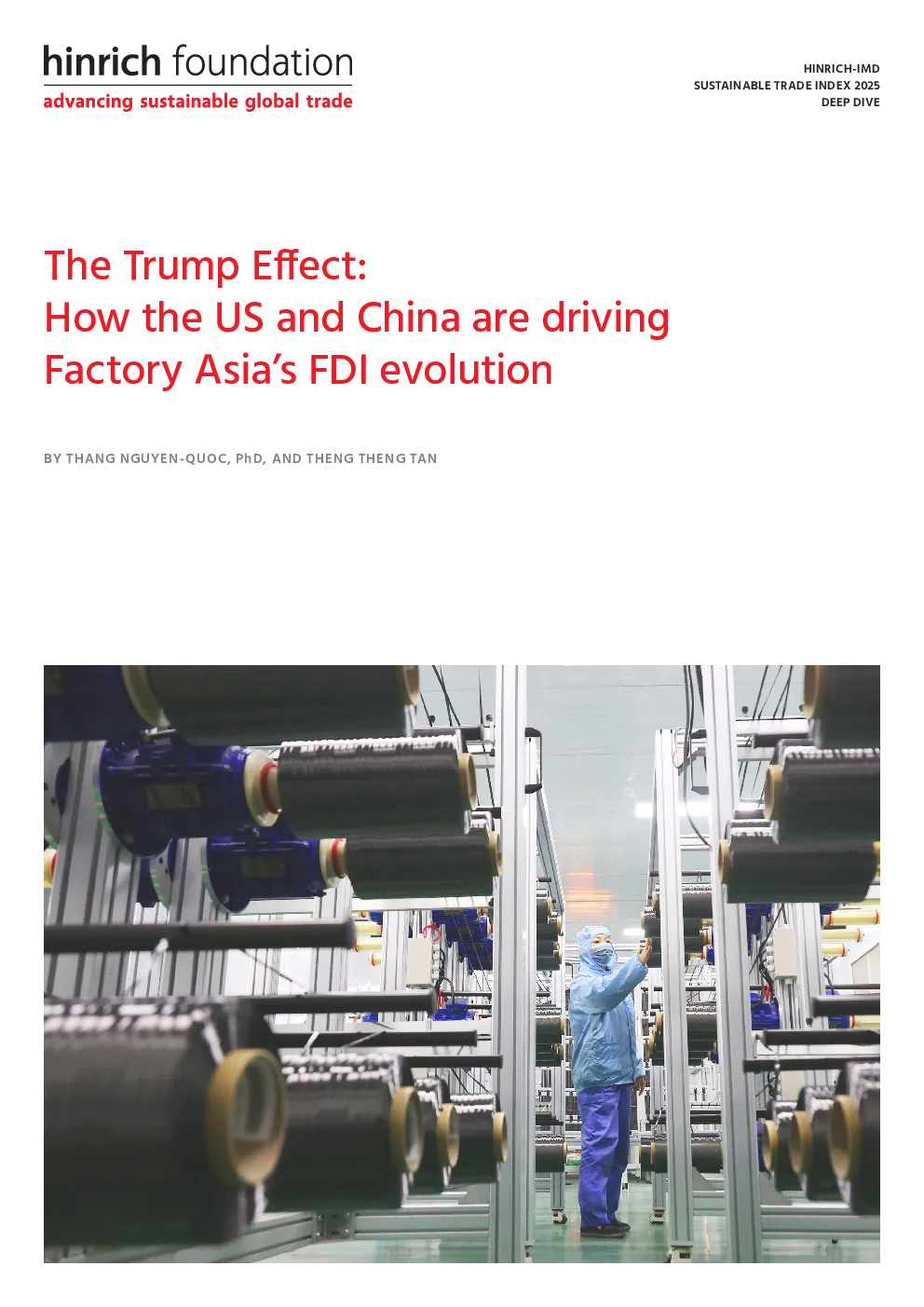
The Trump Effect:How the US and China are driving BY THANG NGUYEN-QUOC,PhD,AND THENG THENG TAN Contents EXECUTIVE SUMMARY 1. THE SURPRISING RESILIENCE OF ASIA’S FDI UNDER TRUMP 2.01.1Asia’sFDIinflowssurvivedhigherUStariffexposure 1.2ChineseMNEskeptexpandingabroadwhileothersretrenched 88911 2.1FactoryAsiastarteditsevolutionpriortoTrump2.02.2FDIrelocatingoutofChinastayedwithinAsia2.3ChinaovertookthetopspotasAsia’sregionalFDIsource 13 3. VIMI: THE NEW HOTSPOTS3.1Asia’sFDIhotspots 3.2ThediversityofFDImodelsinVIMI 4. WHAT’S NEXT FOR ASIA’S FDI?4.1China’srecentgrowthinoutboundFDIwillcontinue4.2Domesticregulationstobecomekeybattlegrounds4.3Export-platformFDImodeltoevolve 24 CONCLUSION 25 APPENDIX: DATA AND METHODOLOGY 26 27 Executivesummary Despitefacingsomeofthehighest“reciprocal”tariffsanddeepesttradeexposuretotheUS,Asia’sFDIinflowsdeclinedbyonly12.8%year-on-yearintheperiod,farmilderthantheglobal Asia’s FDI networks have been surprisingly resilient in Trump 2.0 Acceleratingupheavalinabroadsweepoftradeandinvestmentpolicychangesworldwide,PresidentDonaldTrump’ssecondtermhastriggeredasharpreversalintheglobalexpansionplansofmanymultinationalenterprises.Globalgreenfieldforeigndirectinvestment(FDI)inindustrialsectorsfellby31.1%year-on-yearinthe Inaworldwheremuchwaslostthisyear,somelostlessthanothers.Despitefacingsomeofthehighest“reciprocal”tariffsanddeepesttradeexposuretotheUS,Asia’sFDIinflowsdeclinedbyonly12.8%year-on-yearintheperiod,farmilderthantheglobalaverageandmuchlessseverethanNorthAmerica’s59.3%plunge.Atthesametime,whileoutboundinvestmentfrommostregionsdeclinedbyas Structural shifts in Factory Asia help explain the relative resilience TounderstandAsia’sresilienceandChina’scontinuedoutwardpushinthesetumultuoustimes,itisimportanttoexaminetheyears-longevolutionoftheFDIlandscapethatpre-datedTrump2.0. StructuralshiftsinFactoryAsiawerealreadyunderwaywellbeforeTrump2.0,shapingtheregion’sresponsetothelatesttariffshocks.Since2019,capitalhasprogressivelyreallocatedoutofChinaintotherestofAsia,alongsideasectoralrebalancingtowardfuture-orientedindustriessuchasmetals,semiconductors,andrenewableenergy.Thegeographicshift,aswellasAsia’sfavorablesectoral Importantly,globalmultinationalenterprises(MNEs)lookingtodiversifyfromChinastayedwithintheregion,withtotalFDIintotherestofAsiarisingby65.3%between2019and2024.China’ssheerscale,supplierdepth,andecosystemadvantagesmadeitdifficultforMNEstomovefarfromChina’ssupplychainsevenastheysoughtstrategicdiversification.IttookthecombinedeffectsofnotonlyTrump1.0tariffsbutalsothepandemic-drivenshifttoward“just-in- Atthesametime,China’semergenceasAsia’sleadingoutboundinvestorhasaddedanewsourceofresilience.Chinanowaccountsfor31.1%ofthesourceofintra-AsianFDI,astheriseindomesticcostsincentivizedChineseMNEstoredirect ThegrowthinChina’soutboundFDIislikelytopersistandcontinuereshapingregionalindustrialgeography,drivenbysustainedtradeprotectionismabroad, productiontoacheapercostbase.Trump2.0acceleratedthisshiftasChineseproducerslookedtothirdcountriestogainmorefavorablemarketaccesstoWesternmarketsanddiversifytheirend-customerbase. FDI hotspots in the new Factory Asia Inthisnewcontext,post-ChinainvestmentreallocationhasconcentratedinaquartetofAsianeconomies—Vietnam,India,Malaysia,andIndonesia(VIMI).Together,thesefourmarketsaccountedfor56.7%ofAsia’sinboundFDIin2024, Such“China+1”diversificationisthekeydriverofVIMI’sriseinAsia,accountingforaroundhalfoftheincreaseinVIMI’sFDIshare.ProximitytoChina’sconsumermarket—notjustitssupplybase—remainstheleadingmotivationforFDIinboundacrossallfoureconomies.YetthisdoesnotimplyVIMIsharesthesameFDIgrowthmodelamongthemselves.Infact,VIMIhostsamixtureofmarket-seeking,resource-driven,andefficiency-orientedFDIprojects,witheach Domesticfundamentalsalsomatter,explaining42%ofVIMI’srecentgains.Indeed,sincethe2April2025“LiberationDay”announcementwhenTrumpimposedabroadpackageofhighertariffsoncountriesworldwide,MalaysiahascontinuedtoattractnewcommitmentswhileVietnamsawsharpdeclines,highlightinguneven What’s next for Asia’s FDI? Goingforward,weexpectthesestructuralshiftstocontinuereshapingAsia’sFDIprospects.First,thegrowthinChina’soutboundFDIislikelytopersistandcontinuereshapingregionalindustrialgeography.Unliketheshort-livedChinese“goglobal”waveadecadeago,thisphaseisdrivenbysustainedtradeprotectionismabroad,weakdomesticdemand,andgreatercorporate Second,theemergingcompetitivelandscapeislikelytointensifyfrictionamongAsia’sindustrialpowerhouses.AsChinesefirmsexpandabroadandtraditionalinvestorssuchasJapaneseandKoreanMNEsmaintainastrongregionalpresence,competitionformarketshare,technologystandards,andstrategicassetswill Lastly,export-platformmodelswillremainrelevantbuthavetoadapttostricterglobaltransshipmentrulesandsupplychaintransparencyrequirements.AwholesaleUSexitfromAsiaremainsunlikelygiventhescaleandclusteringofChina-centeredsupplychains.However,theChina+1FDItrendwillbecomemoreselectiveandconcentratedineconomieswithstrongerdomesticsupplierbases, 1