ETC会员官方网站美食传播
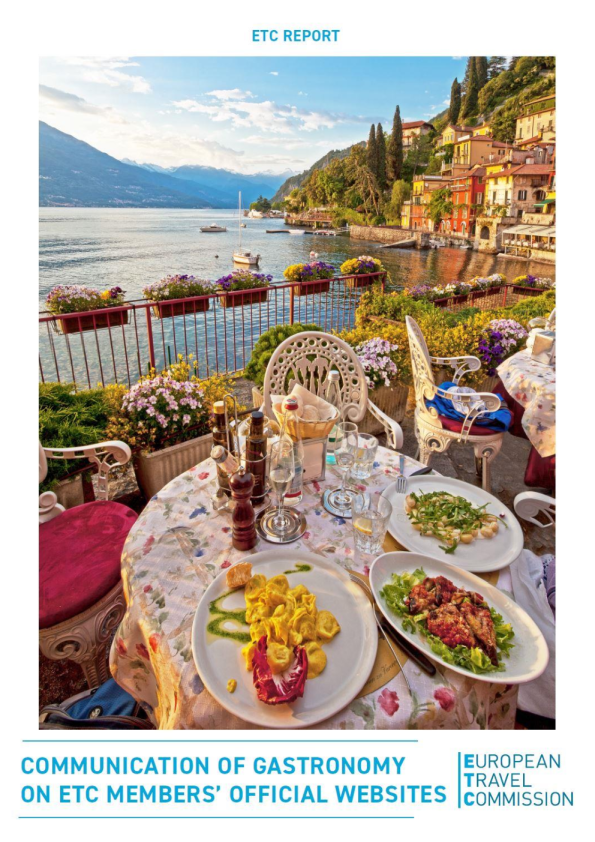
COMMUNICATION OF GASTRONOMY A report produced forthe European Travel Commission Copyright © 2020 European Travel Commission COMMUNICATION OF GASTRONOMY ON ETC MEMBERS’ OFFICIAL WEBSITES All rights reserved. The contents of this report may be quoted, provided the source is given accurately andclearly. Distribution or reproduction in full is permitted for own or internal use only. While we encouragedistribution via publicly accessible websites, this should be done via a link to ETC's corporate website,www.etc-corporate.org, referring visitors to the Research section. Datasources: This report includes data fromUNESCO as well as a variety of prestigious journals, includingAnnals of Tourism Research,Harvard Business ReviewandTourism Management. Published by the European Travel Commission Rue du Marché aux Herbes, 61,1000 Brussels, Belgium Website:www.etc-corporate.orgEmail:info@visiteurope.com ISBN No:978-92-95107-39-7 This report was compiled and edited by:Università della Svizzera italiana,withthe support of the European Travel Commission (ETC) Cover:Three plates of lovely vegetarian Italian food on white plates on a table on a lovely outdoor terraceoverlooking a beautiful, calm lake, with antique buildings andalpine mountainsin the backgroundImage ID:145818200Copyright:photoinnovation TABLE OF CONTENTS Acknowledgements....................................................................................................................51. Introduction...........................................................................................................................62. Food (in) Tourism...................................................................................................................62.1. Food Tourism as Cultural Tourism............................................................................................72.2. Online Communication of Food TourismInformation.............................................................83. Methodology..........................................................................................................................84. Results.................................................................................................................................104.1. Location and Format...............................................................................................................104.2. Topics......................................................................................................................................104.3. Type of section........................................................................................................................124.4 Message...................................................................................................................................145. Conclusions and Recommendations......................................................................................156. Bibliography.........................................................................................................................177. Annex...................................................................................................................................19Contributors.............................................................................................................................20 ACKNOWLEDGEMENTS This report has beenresearchedby BenedettaBrambilla, Master of Arts in International Tourism at USI–Universitàdella Svizzera italiana (Lugano,Switzerland), dr. Nadzeya Kalbaska, lecturer and researcher at USI,and prof. Lorenzo Cantoni,chair-holder ofUSI’sUNESCO Chair in ICT to develop and promote sustainable 1. INTRODUCTION Tourism is an integral part of the “experience economy”(Pine & Gilmore, 1998)in which the engaging of thesenses is crucial.As humans, we perceive what is around us through our senses.However, it was not untilrecently that the tourism agenda started toanalysehuman senses other than vision and consider them as The rise in interest in food tourism attractions at the destination coincides with the emergence of new waysof communicating and sharing experiences. The use of social media, websites and apps adds to the tourist’sexperience at the destination, allowing them to contribute to thedevelopment of the experience and to The goal of this study is toanalysethe phenomenon of food(in)tourism as a whole and to examine howdifferent countries communicate online the presence of food tourism attractions at the destination to 2. FOOD (IN) TOURISM Enogastronomicactivities are an example of multisensory experiences, given their engagement with all fivebasic human senses (vision, sound, touch, smell, taste). Theylead to a lasting memory in the mind of the Tasting is a vital aspect of the travel experience,whether or not the visitor is deliberately guided to it, duringa trip heorshe will have to come into touch at some stage with the culinary environment of the desti