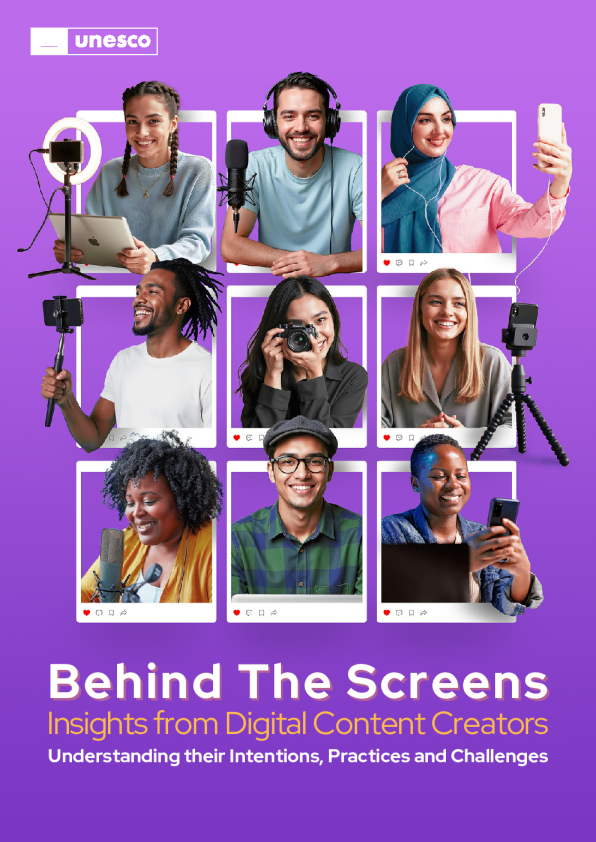
屏幕背后:数字内容创作者的见解——了解他们的意图、实践与挑战
 AI智能总结
Insights from Digital Content CreatorsUnderstanding their Intentions, Practices and Challenges Executive Summary 4 1.1 Content Creators and Their Role as Opinion Leaders for Their Community1.2 Research Objectives 2 - Main Findings 2.1Motivations of Digital Content Creators6 2.2 Relation with Trust and Accuracy A. Fact-Check ProcessesB. Sources Used to Create Content78 2.3 Knowledge of international standards and legal frameworksA. International StandardsB. Legal Frameworks999 2.4 Challenges9 A. Ethical Dilemmas ExperienceB. Hate Speech ExperienceC. Views on Sponsored ContentD. Evaluation of Social Media Platform Practices and Community Standards2.5 Existing support to digital content creators A. Trainings and ResourcesB. Professional Associations 3 - About the digital content creators 3.1 Geographic Distribution of Content Creators3.2 Demographics of Content Creators3.3 Content Formats and Genres 4 - Conclusion15 5 - Annex: Research Methods16 5.1 First Phase: Online Survey5.2 Second Phase: In-Depth Interviews1616 Executive Summary This UNESCO report, “Behind the Screens,”aims to provide valuable insights into theworld of digital content creators.The reporthighlights findings from a study about digitalcontentcreators'motivations,skills,practices,and challenges. Conducted by a research teamat Bowling Green State University in the UnitedStatesof America between August andSeptember2024,the study employed two Article 19 of the UN Declaration of Human Rights.Alarmingly,a majority of the digital contentcreators (59%) surveyed were either unfamiliarwith or had only heard of regulatory frameworksandinternational standards relating to digital Furthermore,the research identified severalchallengesfaced by digital content creators. Oneof the issues highlighted was hatespeech with 32% of respondents reportedhaving experienced it.Among those targetedby hate speech, most chose to ignore it (31.5%).Onlyone-fifth(20.4%)reported it to socialmedia platforms. This indicates an area where Forthis study,digital content creators aredefinedas individuals who regularly postcontent online for public consumption and Additionally, surveyed digital content creatorsgrappledwith ethical dilemmas surroundingsponsored content. Only half of the creatorssurveyed clearly disclose their sponsors, donors, The findings reveal that many digital contentcreators, often labelled as “influencers,” have anuanced perception of their real or perceivedinfluence. While only 19% of creators considerthemselves consistently influential, they regularlyprovideinformation to their audiences.Thestudy examined the sources creators rely on todevelop their content and whether they take thetime to verify information before sharing.Thefindings reveal that ‘popularity’ – measuredby the number of likes and views - is the most The results of this study indicate a pressingneedfor training and support for digitalcontent creators.Indeed, most digital contentcreators reported not belonging to professionalassociationsand lacking guidance in theircontent creation efforts. Respondents to thesurvey expressed interest in taking UNESCO’sfree online course designed to equip participantswith media and information literacy skills and Thestudy also delved into the creators’awareness of regulations governing digitalcontent creationin their respective countries Ultimately, these efforts align with UNESCO’smissionto foster inclusive,informed andsustainablesocieties,ensuringthat digitalcontent creators can thrive while contributing 1 - Background and Context 1.1.Digital Content Creators and Their RoleasOpinionLeadersforTheirCommunity Digital content creators are reshaping theway information is curated and disseminatedin unprecedented ways.Whether they engagemillionsof followers or focus on nichecommunities,theseinfluentialvoicesare 1.2.ResearchObjectives Understand the motivations of digital contentcreators in preparing their content and their Identify content creators’ needs for trainingand interest in participation in the media andinformation literacy programme offered by Despite their expanding outreach, many digitalcontent creators who work independently facesignificantchallenges including the lack of institutional support, guidance, and recognition.Whiledigital content creators enrich theinformationlandscape with unique and Assess digital content creators’ media andinformation literacy skills and content creationpractices, especially in brand sponsorship and Explore digital content creators’ knowledgeof the international standards on freedom ofexpression,their skills to address harmfulonlinecontent,their contributions to the Recognizing the substantial influence that digitalcontentcreators have over public opinion,trends, and consumer behaviour, UNESCO hasidentifieda critical gap in comprehensiveresearch regarding their motivations, skills, andaccountability mechanisms. Without insights intotheir intentions, values, and practices, it is difficult