2025IC指数报告(英)
 AI智能总结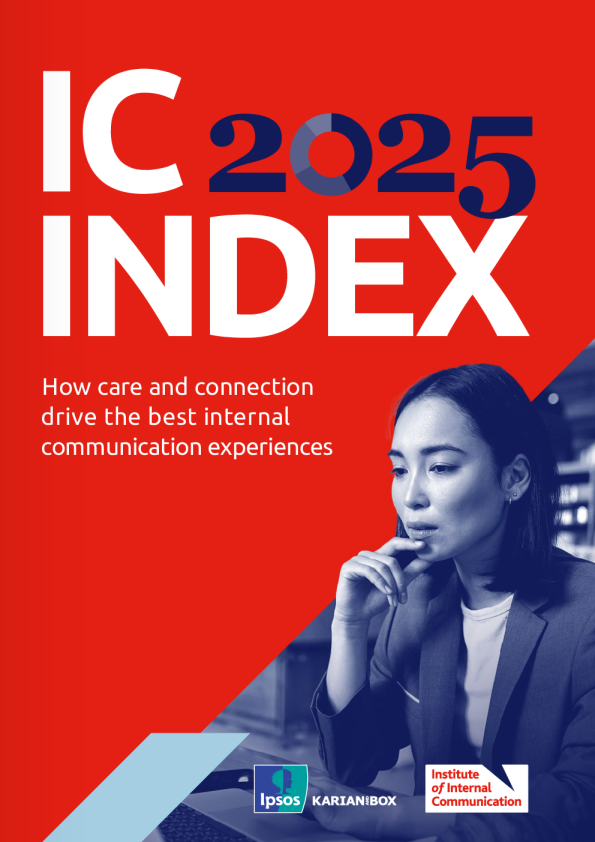
How care and connectiondrive the best internalcommunication experiences About us Contents 02About us03Contents04Introduction06Key insights08The story in numbers10Connection and care in internal communication20How to be human: what employees want from leader communication30Now hear this: how we listen matters38Just a job? How employees really feel about work46Machine learning: the case for clear AI communication54Deep-dive into the data Institute of Internal Communication The Institute of Internal Communication exists to helporganisations and people succeed through promotinginternal communication of the highest standards. We've been driving standards for over 75 years, by developingand supporting internal communication professionals through ourqualifications, training, awards, communities, and thought leadership. We represent more than 2,800 members: communications professionalswho shape and influence workplaces for the better. They know people and business. They create conversations that helppeople at work feel informed, connected and purposeful, to driveorganisational performance. They impact the working lives of millions. Because how we communicate at work matters.#WeMatterAtWork Ipsos Karian and Box Ipsos Karian and Box is a team of over 130 employeeexperts at the heart of Ipsos’s global network. We’ve been trusted advisors to some of the biggest and best namesfor nearly 20 years, helping to create environments where people andbusinesses thrive by giving people a better voice at work. With vast expertise in both internal communication and employeeengagement, we support clients with our trusted advisory, cutting-edgeinsight and expert storytelling, to help them drive engagement andpower performance. Our team of consultants, data scientists and creatives shares a wealthof experience and offers end-to-end expertise. Each programmewe co-create with our clients is as unique as the organisation and people within. Together, we’re driven by our belief that giving people a voice transformsorganisational outcomes. Introduction Continuing to evolve our research together Since last year’s IC Index, some things have remained unchanged. The perennial questions around how we deliver messages to people are as presentas ever. Are we sending too many emails? Is our intranet any good? Should we be usingTikTok to share updates? What about employees who don’t have work computersor phones? How do we tell them everything we need them to know? We’re now in our third year of working together on the IC Index,and we’re keen to keep advancing our approach and exploringnew areas, while still giving IC professionals insights that havepractical applications. All perfectly good questions. But are they the right ones? Because while some thingsare the same, many, many others have changed. We’ve continued to expand the research and this year surveyedalmost 5,000 UK employees*to gather their views. It’s been a tumultuous time for global politics and economies with ripples that affectorganisations everywhere, in every industry. Leaders have changed at organisations,and in governments. Jobs are changing. The conversation around AI has advanced.How we work is changing. To help us explore the data and consider how to tackle thechallenges posed, we spoke to IoIC Fellows for their perspectives.Thank you to all that took part in discussions and gave their voicesto the report and our wider communication about this year’s IC Index. Louise Breed We wanted to understand how employees relate to their organisations, as we all tryto maintain our footing on shifting sands. This year’s IC Index delves deeper into thecomplexities of that relationship and how it informs the way we communicate. We’ve continued to explore areas such as artificial intelligenceand employee activism, pushing the conversation to the nextlevel from last year’s report. Chief Executive, IpsosKarian and Box UK Our analysis reveals that the very best internal communication experiences are whenemployees have a meaningful and direct connection with leaders. And, crucially, whenleaders listen to, understand and care about employees – far beyond making sure theyknow what the organisation’s strategy is (although that’s important too). We’re not seeing dramatic shifts in key measures, such as howemployees rate their organisation’s communication. And theresults revealed no significant changes in channel preferencesor appetites for more information on particular topics. However,the environment around us is constantly shifting. Methods of communication will always be a part of the discussion, but it’s clear thatleaders need to offer the human touch: listen more, break down hierarchical barriersand have real conversations. And not just because it’s a nice thing to do. There aretangible organisational outcomes – higher employee advocacy, engagement, retention. The internal communicator’s role has become more about creatinggenuine understanding between employees an