亚太地区原住民旅游良好实践汇编
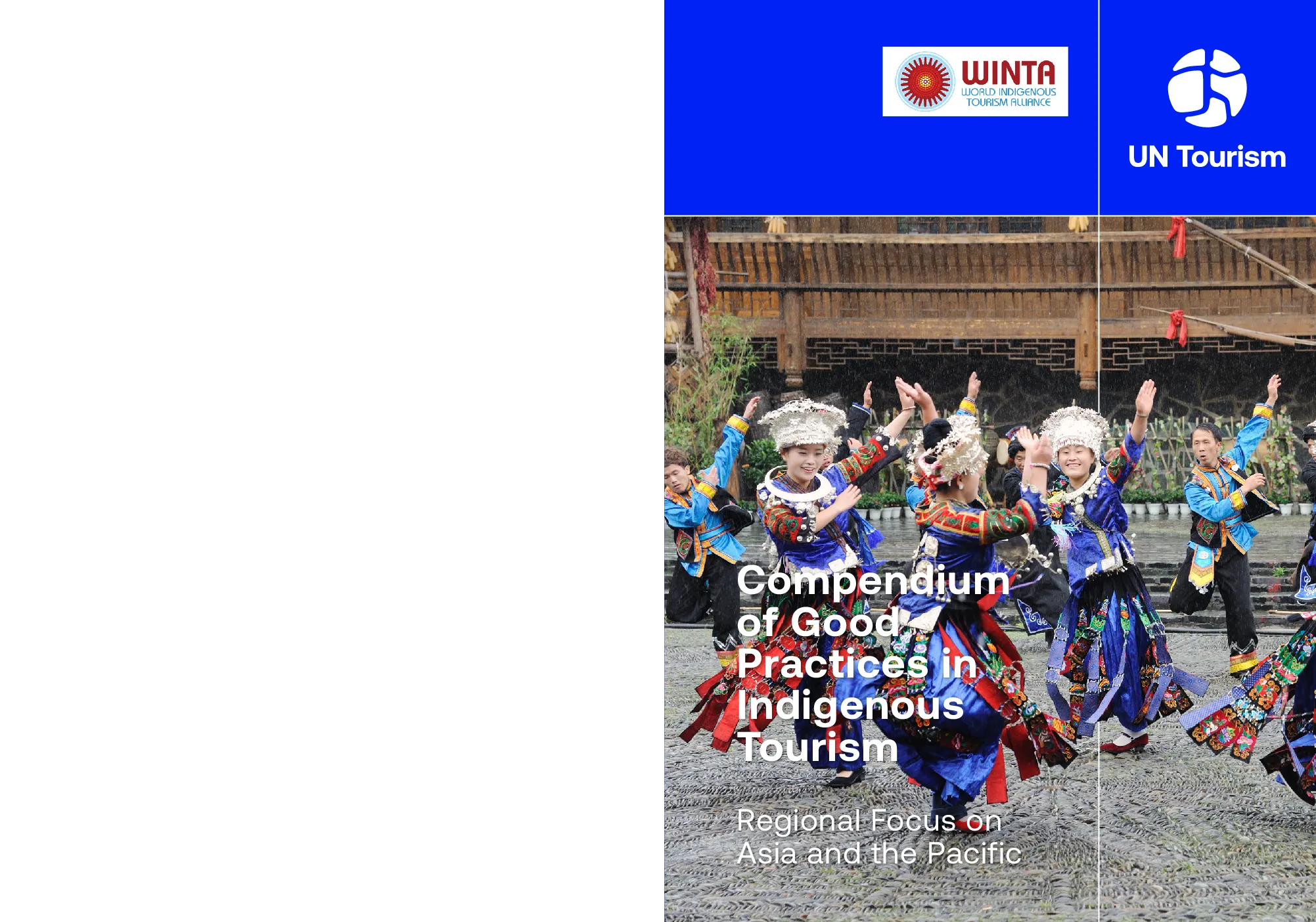
Compendiumof GoodPractices inIndigenousTourism Regional Focus onAsia and the Pacific Copyright © 2025, World Indigenous Tourism Alliance (WINTA) Compendium of Good Practices in Indigenous Tourism – RegionalFocus on Asia and the Pacific ISBN, printed version: 978-92-844-2645-4ISBN, electronic version: 978-92-844-2646-1DOI: 10.18111/9789284426461 Published by the World Tourism Organization, Madrid, Spain.First published: 2025All rights reserved. World Tourism Organization (UN Tourism)Calle del Poeta Joan Maragall, 4228020 Madrid, SpainTel.: (+34) 915 67 81 00E-mail:info@unwto.orgWebsite:www.unwto.org World Indigenous Tourism Alliance (WINTA)58 Duncraig RoadApplecross WA 6153, AustraliaE-mail:secretariat@winta.orgWebsite:winta.org The designations employed and the presentation of material in thispublication do not imply the expression of any opinions whatsoeveron the part of the Secretariat of the World Tourism Organization or theWorld Indigenous Tourism Alliance (WINTA) concerning the legal statusof any country, territory, city or area, or of its authorities or concerning thedelimitation of its frontiers or boundaries. The World Tourism Organization and the World Indigenous TourismAlliance (WINTA) do not guarantee the accuracy of the data included inthis publication and accept no responsibility for any consequence of theiruse. The mention of specific companies or products of manufacturersdoes not imply that they are endorsed or recommended by the WorldTourism Organization or the World Indigenous Tourism Alliance (WINTA) inpreference to others of a similar nature that are not mentioned. The report/results do not constitute any form of advice, recommendation,representation or endorsement and are not intended to be reliedon in making (or refraining from making) any specific investment orother decisions. This publication is protected by copyright. Therefore,and unless otherwise specified, no part of this publication may bereproduced, stored in a retrieval system or utilized in any form or by anymeans, electronic or mechanical, including photocopying, microfilm,scanning, without prior permission in writing. The World TourismOrganization and the World Indigenous Tourism Alliance (WINTA)encourage dissemination of their work and are pleased to considerpermissions, licensing and translation requests related to World TourismOrganization/WINTA publications. Authoring departments:UNTourism Department of Ethics, Culture and Social Responsibility World Indigenous Tourism Alliance (WINTA) UNTourism editorial team: Department of Ethics, Culture and Social ResponsibilityRegional Department for Asia and the PacificDepartment of Marketing Intelligence, Policies and CompetitivenessUNTourism Publications Section Permission to photocopy materials of the World Tourism Organization inSpain must be obtained through: Centro Español de Derechos Reprográficos (CEDRO)Calle Alcalá, 21, 2º der.28014 Madrid, Spain Peer reviewer: World Indigenous Tourism Alliance (WINTA). Tel.: (+34) 913 08 63 30Website:www.cedro.orgE-mail:cedro@cedro.org Design:UNTourism. Layout:Impacto Creativo de Comunicación, Madrid, Spain. For authorization of the reproduction of works of the World TourismOrganization from outside of Spain, please contact one of CEDRO’spartner organizations, with which bilateral agreements are in place(see:www.cedro.org/english?lng=en). For all remaining countries as well as for other permissions, requestsshould be addressed directly to the World Tourism Organization. Forapplications see:www.unwto.org/unwto-publications. Citation: World Tourism Organization and World Indigenous Tourism Alliance(2025),Compendium of Good Practices in Indigenous Tourism – RegionalFocus on Asia and the Pacific,UNTourism, Madrid, Spain,DOI:https://doi.org/10.18111/9789284426461. For authorization of the reproduction of works of the World IndigenousTourism Alliance (WINTA), please contactsecretariat@winta.org Table of contents Acknowledgements5Foreword by the World Tourism Organization6Foreword by the World Indigenous Tourism Alliance7Executive summary8 01Indigenous tourism: concepts and global background 10 1.1Cultural diversity, universal values and indigenous tourism111.2Understanding indigenous tourism, community-based tourism and other related concepts121.3The international political framework for indigenous tourism development141.4The opportunities and challenges posed by indigenous tourism17 02The great potential of indigenous tourism for community development in Asia and the Pacific18 2.1Key strategies and tools to strengthen indigenous tourism products and experiences192.1.1Indigenous leadership192.1.2Data collection and analysis212.1.3Intellectual property and copyrights222.1.4Networking opportunities232.1.5Indigenous migration and rural development242.1.6Indigenous women252.2Governments providing an enabling environment for indigenous tourism26 03Good practices in indigenous tourism in Asia and the Pacific 28 3.1