您的浏览器禁用了JavaScript(一种计算机语言,用以实现您与网页的交互),请解除该禁用,或者联系我们。[Citeline]:2025医药研发年度回顾白皮书(英) - 发现报告

2025医药研发年度回顾白皮书(英)

医药生物2025-05-06-Citeline向***
AI智能总结
查看更多
2025医药研发年度回顾白皮书(英)

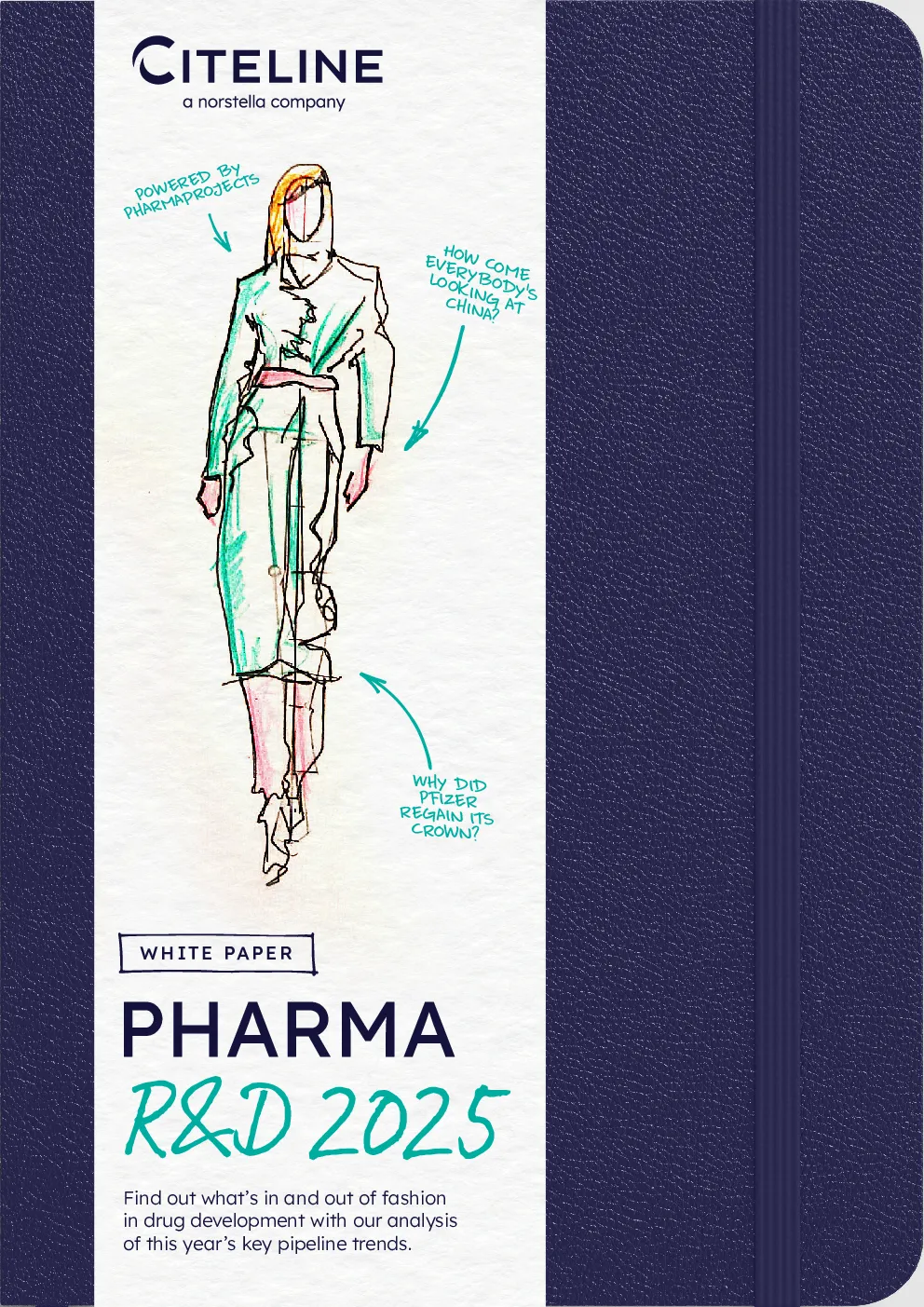
Find out what’s in and out of fashionin drug development with our analysisof this year’s key pipeline trends. ContentsContents Introduction: Total Pipeline Size0505Pharma has more material than ever before Following the Pattern: The 2025 Pipeline by Phase of Development0707Can the industry cut its clinical coat according to its cloth? Top Companies1010Vintage names look solid, while boutique firms flourish Therapies and Diseases1818Cancer still en vogue, but have we reached peak oncology? Regional Variations2828The leading players in key markets, and the varying styles of drug R&D Mechanisms and Targets4747Immuno-oncology continues to be the trend everyone is following Types of Pipeline Drugs5252Biotech struts its stuff on the pharma catwalk What’s the Forecast for Pharma?6161Is the pharma industry still wearing the trousers, or might it be caught with its pants down? About the Author Welcome to Pharmaprojects’ 2025 reviewof trends in pharmaceutical R&D Welcome to Pharmaprojects’ 2025 reviewof trends in pharmaceutical R&D. For over30 years now, I’ve been taking an annuallook at the evolution of pharma R&D, and inthis article, I’ll investigate how fashions arechanging in the industry at the start of 2025.We’ll assess industry trends by examiningthe pipeline by company, therapeutic area,disease, target, and drug type, using dataprimarily from Pharmaprojects, part of theCiteline suite of products, which has beentracking global drug development since1980. This report will be followed up by ourannual supplement reviewing the New ActiveSubstance (NAS) launches for the year justpassed. But here, we’ll roll up our sleeves toexamine how pharma R&D is changing, lookat what’s becoming a la mode and what’snow decidedly last season, and try todetermine where the industry is dressedfor the occasion and where it’s looking likevintage trying to be vogue. Hopefully, it willhelp you to see what’s in and out of fashionin the world of drug development. A 2010 study in the journalMolecular Biologyand Evolutionused genetic analyses todetermine when clothing lice diverged from theirhead louse ancestors, to date the emergence ofclothing at somewhere between 83,000–170,000years ago. This suggests thatHomo sapiensasa species was probably still in its birthday suitfor around half of its existence, with expertsdivided as to whether the invention of clothingfacilitated our move into cooler climes, orwhether migration necessitated the additionof something to cover the body. The oldestarchaeological evidence of the existence ofclothing dates from around 11,000 years agoin the form of figurines depicting fabricclothing. Of course, in one sense, thedevelopment of clothing has always beenintrinsically linked to human health in that inkeeping one warm and comfortable, one wasless likely to fall prey to disease. It is likely that, even in the days of bearskins,clothing became intrinsically linked with socialstatus, with those leading the tribe likely to besporting the most luxurious pelts. Certainly,by Roman times, garments and rank wereinterconnected, with only senators permitted towear clothes dyed with Tyrian purple. Thus, likethe production of medicinal potions, the fashionindustry can be said to be several thousandyears old. Regular readers of this report (which has beenrunning since 1993, so is presented here in its33rd edition) will know that in recent years,I’ve threaded a different theme through eachedition, to highlight points, to draw analogies,and to add a little character into what couldotherwise be a rather lengthy narrative througha parade of statistics, charts, and tables —drabber than a bunch of dusty hand-me-downsat the back of a charity shop. Themes selectedso far have included astronomy, movies, thenatural world, music, food and drink, sciencefiction, travel, literature and last year, weather.This year, as those of you who are on trend mayhave guessed, I’ve hung my rather jaunty haton the topic of fashion and clothing. As withhealthcare, like it or not, it’s something thataffects us all, and where things come in andout of style, being either all the rage or apassing fancy. Clothing seems to have become integral tothe human race somewhere around 100,000years ago. Interestingly, modern-day molecularbiology techniques have been used to get thebest scientific dating of the end of nakedness. As with pharmaceuticals, it is mostly the richwho have had access to the latest developments— think those Restoration ruffs, the dandiesof the Regency period, or the stylish hautecouture associated with Hollywood’s goldenage — sadly a situation that still persists. Thefashion industry as we would recognize it todayprobably emerged about a hundred yearsago, with the likes of Coco Chanel and ElsaSchiaparelli achieving worldwide fame in theperiod immediately following the First WorldWar, an age forever associated with the flapperdress, at a similar time to when many of thegiants of pharma we know today were alsobeing establish