您的浏览器禁用了JavaScript(一种计算机语言,用以实现您与网页的交互),请解除该禁用,或者联系我们。[中国社会科学院]:特朗普2.0时期美国数字资产政策的政治经济分析 - 发现报告

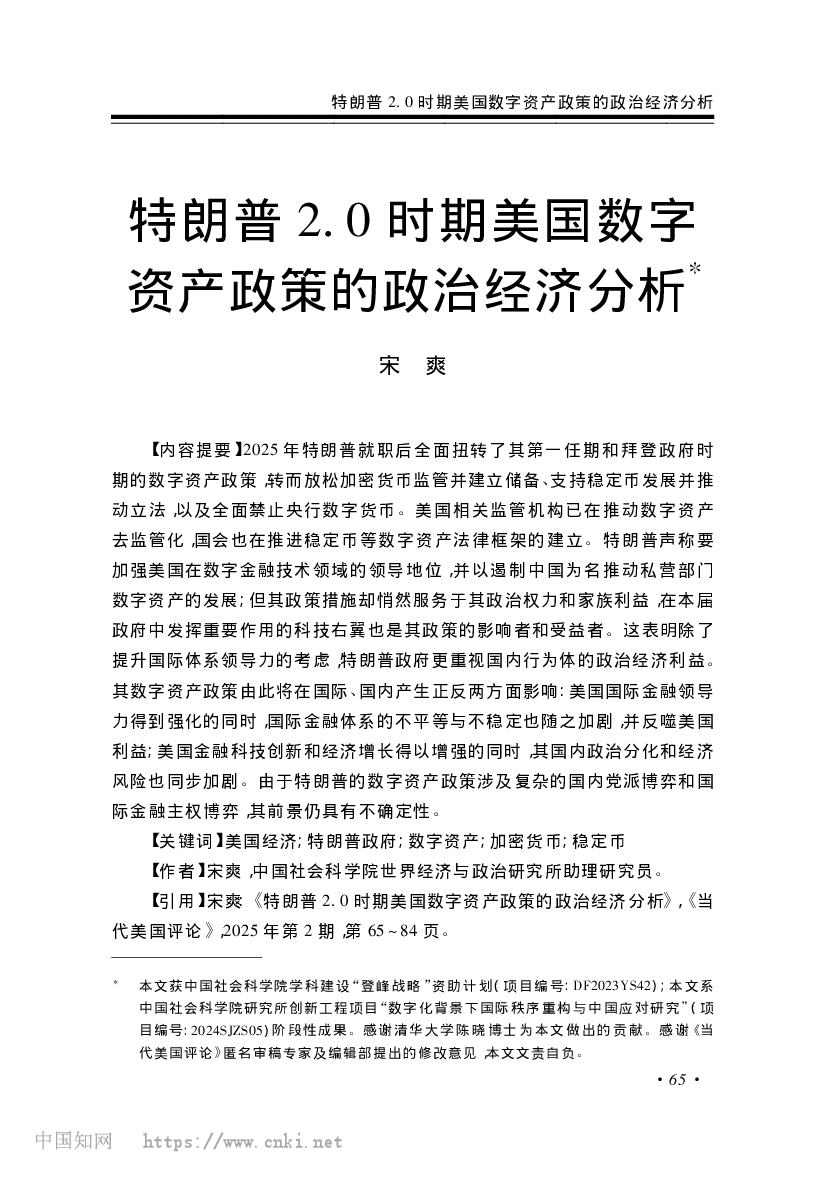
特朗普2.0时期美国数字资产政策的政治经济分析

2025-09-01-中国社会科学院芥***
AI智能总结
查看更多
特朗普2.0时期美国数字资产政策的政治经济分析

【】2025、。。。。、。。 【】 【】。 【】《2. 0》《》2025265 ~ 84。 Distributed LedgerTechnology①Cryptocurrency、Stablecoin、CBDCDigital Token。②。③。2014TetherUSDT。2019FacebookLibra。。④。⑤。⑥、 、NFT、。。 、。。、。 2. 0 。 、。①20247“2024”Bitcoin 2024 Conference。②2025118Meme Coin③“TRUMP”。。20197“” 。①14178“”。②·David Sacks。③ 。。。④14067“”、。SEC“”83⑤Coinbase。 。14067 。①。 “”。“”。②。③ 2025123《》。。④。。36《》。37Crypto Summit 20258。、30。① 。。2025127·Scott Bessent。“”。②OCC。、。③“2. 0”Chokepoint2. 0。④。14178121SAB 121。⑤CFTC、、。·Brian Quintenz 。“”。。①。 。14178。202524《》GENIUS、、、、。②617。《2025》STABLE③42。20258。·French Hill2025529《》CLARITY④、DeFi。⑤ 2. 0 2024。 2. 0。 1. 。。“”“”。2014202465. 2%57. 8%。。。①“”。②。 。。“”“ ”。。。。·Cynthia Lummis2120。①“”。 2. “”。 、。“2024”“”“”。②201312、2017920219、。 。“”。 。。、、BISmBridge20246MVP。。①、②。。③。 14178。 。 。2024。“2024”2500。20249“Trump 47”750550150。①“2024”·Gary Gensler、“”·Ross Ulbricht。②③。 。2022124④2000。202462500。⑤3. 49。⑥“”World LibertyFinancialWLFI。 5. 575%60%4。①Bakkt、American Bitcoin、ETF。②。 。·Elizabeth Warren·Maxine Waters“”。“”。20233、202411“”750020252。③20253“”1 ∶ 1USD1MubadalaMGX20USD1。·。④ Accountable. US“”。① 。 “—”。、。·Peter Thiel。②“”PayPal Mafia·、·Elon Musk。③④。。2025114178102024116. 848%⑤ 202532·CraftBitwise10% ~ 60%①Bitwise。②。 。③、、。④·。。⑤·James D.VanceMithril Capital。10⑥“2025” 。①。2019“”DOGE②202115。③④、。 。 2. 0“—”。 1. 、 。 。20255“IBIT”①、。、、、、、。 。。、。。。、。 。2023、20243。Agora、“”Finternet。②、 。 、、“”。 2. 。99%。 。、。、。、。① “”。“”“”。 “—”。、、。② 。Mt. Gox、FTX、UST、。。。 2. 0。 1. 。。。2. 0、。①。。“2024”、。②《》 。①。“”2016500。②。。。 2. 。。③。“”。、、。 2. 0。、、。。、。、、。 。。202556·Chris Murphy。①《》5。。②。 。。。、、、。2. 0。 【】 U. S.Policy on Computing Power Competition with China BackgroundFocusand Impact AN Yining AbstractIn recent years the rapid development of artificial intelligencetechnologies has significantly increased the demand for computing powerprompting many countries toenhance their competitiveness in this field.Withinthe global landscape of computing power competitionChinaisregarded bythe U. S.as a principal rivaldueto its leading overallcomputing capabilities and its rapidly advancing computing power industrywhich is approaching U. S.levels.In response the U. S.government hasfocused on chip technology R&D and manufacturing capacity in the upstreamsegments of the computing power industry chainwhile also strengtheningcomputingresource integration and application in the midstream anddownstreamsegments.Thesepolicies aim both to bolster domesticcapabilities and to contain China's development in computing power.U. S.policies on computing power competition have had multifaceted effects on thedevelopment of computing industries in the U. S.Chinaand globally.While the U. S.computing power industry has gained momentum as a resultof government supportits growth potential is still constrained by restrictivepolicies.China's computing power industry faces external pressure in theshort term but is expected to strengthen its self-reliance in the long run.Atthe global levelU. S.competition policies risk triggering bloc-formationand fragmentation within the computing power industryexacerbating issuesof unequal access to computing resources and posing new challenges forgreen computing governance. KeywordsChina-U. S.Tech CompetitionComputingPowerChina-U. S.Relations U. S.Foreign Policy A Political and Economic Analysis of U. S.Digital Asset Policies inTrump 2. 0 AbstractSince taking office in 2025President Trump has completely reversed both his first-term and the Biden administration ' s digital assetpolicies.The second Trump administration has relaxed cryptocurrencyregulations and established crypto reservespublicly endorsed stablecoinlegislationand banned the creation of central bank digital currencies.Certainregulatory agencies have actively promoted the deregulation ofdigital assetswhile the U. S.Congress is advancing a legal framework forstablecoins andother digital assets.While Trump claims to strengthenU. S.leadership in digital financial technology and invokes the need tocontain China as justification for supporting private-sector digital assetshisdigital asset policies essentially serve his own political purposes and familyinterests.The TechRightwithits prevalent influence in the currentTrump administrationis both a key influencer and beneficiary of thesepolicies.This indicates that beyond concerns over boosting U. S.globalleadershipthe Trump administration prioritizes the political and economicinterests of domestic actors.As a result Trump's digital asset policies areexpected to have both positive and negative effects at home and abroad.Onthe onehandwhileU. S.leadership in international finance may bereinforcedglobal financial inequality and instability may also intensifypotentially undermining U. S.interests.On the other hand while financialtechnologyinnovation and economic growth may be boosted at homepolitical polarization and economic risks are likely to worsen.Given thecomplexpartisan struggles domestically and the contest over financia