全球服务星级体系的应用
 AI智能总结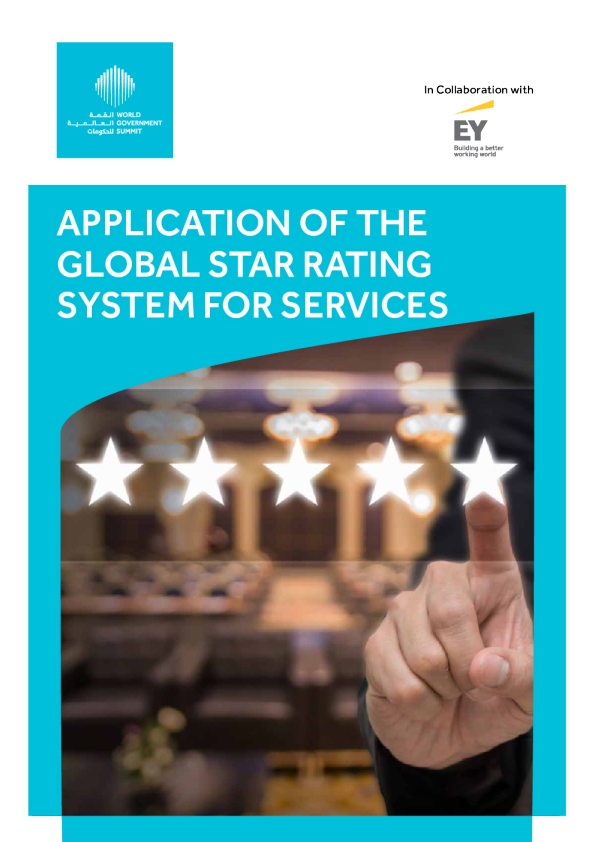
INDEX04GOVERNMENT OF THECITIZENS, BY THE CITIZENS,FOR THE CITIZENS05DRIVERS OF CHANGE07GETTING SERVICE DELIVERYRIGHT10MEASURING THE IMPACT OFTHE GLOBAL STAR RATINGSYSTEM FOR SERVICES16WHAT’S NEXT?17TABLE OF REFERENCES GOVERNMENT OF THECITIZENS, BY THE CITIZENS,FOR THE CITIZENSAcross the globe, a service delivery transformation istaking place. It is cutting across sectors, organizations,processesand people.Continuous improvementin service delivery is a strategic imperative in manyservice-oriented industries and is becoming more vitalto the success of their businesses. Organizations areincreasingly looking at enhancing their customer ser-vice experience in order to stay competitive in a diffi-cult and competitive business climate. This is a shiftin focus for many companies, as customer serviceorganizations have historically been managed as costcenters, whose strategy was disconnected from otheroperations.1Governments are particularly affected by this increasedimportance on service delivery. EY US reported that in2013 citizen satisfaction with services provided by thefederal government declined by 3.4% in the AmericanCustomer Satisfaction Index after two years of gains.2Historically, the public sector has often lagged behindthe private sector in terms of service delivery. This isdue to government’s services traditionally being mo-nopolistic in nature, with a narrow view of customerexperience. In addition, there is a lack of developedframeworks, tools and methodologies aimed specifi-cally for the sector, which constrains governments toprovide “world-class services” for its citizens. However,increasing expectations and demands of citizens, ad-vancements in technology and a drive toward a moreintegrated service are serving as catalysts and forcinggovernments to rethink the concept of delivering pub-lic services.To many citizens their local government is the mosttangible form of government. It is the layer of govern-ment with which they have most contact with, in theireveryday lives.3Hence, as a supplier of key servicesthroughout the citizen journey, government entitieshave a responsibility to provide services that are fast,trustworthy and reliable. However, these services alsohave to be efficient and cost-effective for the govern-ment to be able to sustain itself.This white paper examines the importance of servicedelivery in the government sector and introduces aframeworkandassessmenttoolforvicedelivery.Animportantcomponentofthispaperanalyzesentitiesthathaveimplemented Global Star Rating System for Services,a service delivery methodology launched by the UAEGovernment with the objective to rate the servicebased on different criteria’s related to customer expe-rience and operational excellence. ser- DRIVERS OF CHANGEThecitizens of today have become much moreinformed, connected and influential, thus makingit difficult for service providers to understand andexceedtheir expectations.Globally,governmentsare experiencing challenges to meet the increasingdemand of citizens to provide services in timelymanner that are at par with the private sector. Citizensare demanding more and more of their governments,and there are a number of forces driving this shift andcompelling governments to rethink how they deliverservices to citizens. Figure 1 displays some of the keydrivers of this change.Figure 1. Drivers of change of citizenexpectations in government servicedeliveryCustomerexperienceHigh mobileand digitalusageDrivers ofchangeMultichannelchoiceIntegration ofservicesCustomer experience:Inrecent years,the private sector has maderapidadvancements in customer experience.Thedoctrine of“customer centricity”havegreatly improved customer satisfaction, delight andultimately made a great impact on happiness in mostmature organizations. Customer centricity is now ameans by which an organization differentiate itselffrom competitors. As a result, Citizens now expect thesame levels of service delivery from their governments.Because citizens are able to shop securely and smoothlyon line, to use their credit card to pay bill online, theyexpect to be able to do the same for their utility bill,official papers etc.High mobile and digital usage:The recent decade has witnessed a high adoption ofdigital technologies and mobile penetration rates. Inthe midst of this digital transformation, expectationsfromservice delivery have increased from allsectors alike. Citizens are challenging the conventionalmediums of providing services and expect to connectto their governments at any time and from any place.Multichannel choice:Citizensof today expect and demand multiplechannels of reaching their service providers to accessinformation and obtain services. Channels range fromphysical and traditional channels as such service centersand contact centers to e-channels and smart channelssuch as social media, SMS and mobile applications.Citizens expect all of these channels to be integrated,ensuringseamless consistency and effectivenessregardless of the chann