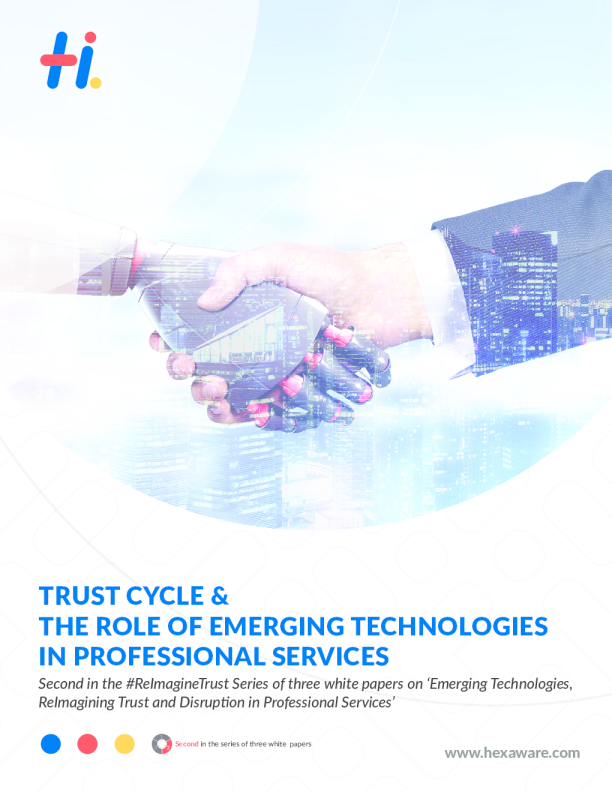
信任在缩小保护差距中的作用
The Geneva AssociationThe Geneva Association (GA) is the only global association of insurance companies; its members are insurance andreinsurance CEOs. Through its research, the GA investigates key trends and risk areas likely to shape or impact theinsurance industry and develops recommendations for the industry and policymakers. The GA’s conferences andmeetings are a platform for GA members, policymakers, academics, multilateral and non-governmental organisationsto further advance these issues. The Association leverages its communications, publications and partnerships tohighlight the positive contributions of insurance to more resilient and prosperous societies and thus to a moreEstablished in 1973, The Geneva Association, officially the International Association for the Study of InsuranceEconomics, is based in Zurich, Switzerland and is a non-profit organisation funded by its members.Published by The Geneva Association—International Association for the Study of Insurance Economics, Zurich.The Geneva Association—International Association for the Study of Insurance EconomicsTalstrasse 70, CH-8001 ZurichEmail: secretariat@genevaassociation.org | Tel: +41 44 200 49 00 | Fax: +41 44 200 49 99 www.genevaassociation.orgsustainable world.November 2019The Role of Trust in Narrowing Protection Gaps© The Geneva AssociationPhoto credits:Cover page—Spotmatik Ltd, Shutterstock. The Role of Trust in NarrowingProtection GapsKai-Uwe SchanzDeputy Managing Director and Head of Research & ForesightThe Geneva Association 2www.genevaassociation.orgAcknowledgementsThis publication is a product of the Socio-economic Resilience work stream of The Geneva Association, co-sponsored by ChristianMumenthaler, Group CEO of Swiss Re, and Markus Riess, Group CEO of ERGO.We are very much indebted to the members of the Working Group established in support of our Socio-economic Resilience researchactivities, namely: Manuel Aguilera (Mapfre), Paul DiPaola (AIG), Arne Holzhausen (Allianz), Thomas Holzheu (Swiss Re), Kei Kato (TokioMarine Group), Gisela Plassmann (ERGO), Flemmich Webb (Lloyd’s) and Clarence Wong (Swiss Re).We would also like to thank the following experts and executives who made themselves available for complementary interviews:•Joanna Bryson, Associate Professor, Department of Computer Science, University of Bath, U.K.•Matteo Carbone, Founder and Director, IoT Insurance Observatory, New York, U.S.•Tom Duncan, Head of Insurance, Grab, Singapore•Luigi Guiso, AXA Professor of Household Finance, Einaudi Institute for Economics and Finance, Rome, Italy•Philipp Niklot Hacker, Postdoctoral Fellow, Lehrstuhl Professor Grundmann, Humboldt-Universität zu Berlin, Germany•Ai Lin Khoo, Group CEO, Tune Protect, Kuala Lumpur, Malaysia•Tim Kunde, Co-Founder and Managing Director, Friendsurance, Berlin, Germany•Tom Ludescher, CEO Asia & EMEA, Entsia, Singapore•Woody Mo, President and CEO, eBaoTech Corporation, Shanghai, China•Henrik Naujoks, Global Head of Insurance, Bain & Company, Hong Kong SAR, China•Xuanbi Bill Song, CEO, ZhongAn Tech Global and COO & Director, ZhongAn International, Hong Kong SAR, China•Fred Wagner, Professor and Head of the Institute of Insurance, Leipzig University, GermanyContentsForeword1.Management summary2.The changing notion of trust in the digital economy2.1.Trust as the ‘grease’ on economic and societal interactions2.2.The pillars of trust—accountability, transparency and regulation2.3.The rise of community-based trust—the sharing economy as a case in point2.4.The erosion of institutional trust2.5.Data privacy and security as new key determinants of trust2.6.Beware of a global ‘techlash’3.The economics of trust in the insurance sector and companies3.1.Trust in insurance—an economic perspective3.2.Sources of customer distrust in insurance3.3.How trust affects insurance demand3.4.How trust affects insurance supply3.5.How technology and advanced analytics affect the economics of trust in insurance3.6.Evolving customer sensitivities4.The determinants of trust in the insurance sector and companies4.1.The performance of insurers4.2.The performance of intermediaries4.3.Sociodemographics5.Conclusion—A multi-stakeholder road map for building trust and tackling protection gaps5.1.Insurers and their intermediaries5.2.Customers and their organisations5.3.Policy makers and regulators6.References 34666788910101111131416192021212223262728 Foreword Trust is an indispensable ingredient in the insurance business. Insurers sell contingentpromises to pay, often at a distant point in the future. Customers can only assessthe validity of those promises after a claim has been filed and settled. Therefore, theoverall reputation of insurers, as well as a robust legal and regulatory framework, areinstrumental in generating trust with customers.This Geneva Association report goes beyond offering a robust investigation into why alack of trust fundamentally impedes insurance demand, leading to protection gaps. Italso addresses the shif