2025年西北欧氢监测报告
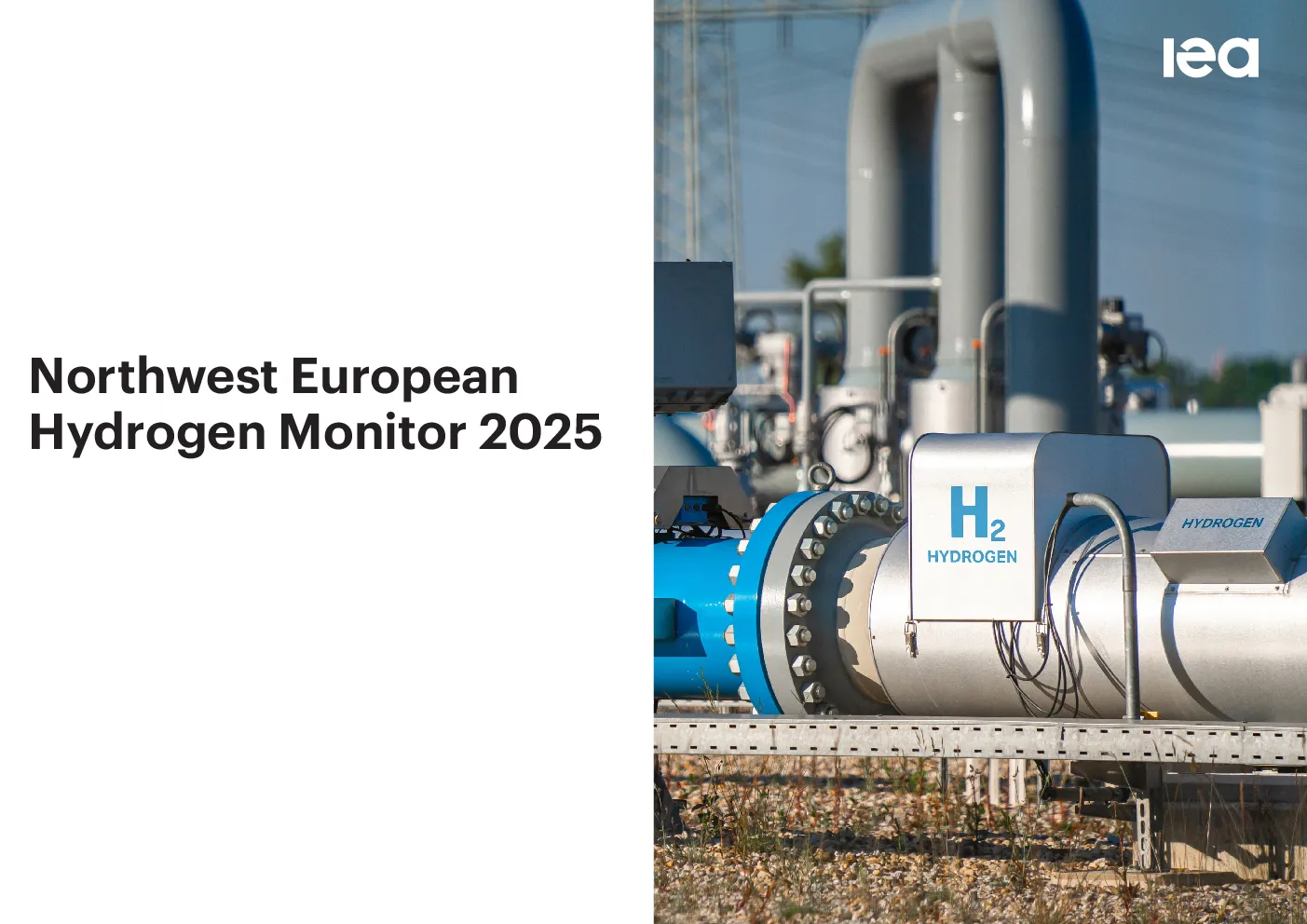
The IEA examines the full spectrum of energyissues including oil, gas and coal supply anddemand, renewable energy technologies,electricity markets, energy efficiency, access toenergy, demand side management and muchmore. Through its work, the IEA advocatespolicies that will enhance the reliability,affordability and sustainability of energy in its 32Member countries,13Association countries andbeyond.This publication and any map included herein arewithout prejudice to the status of or sovereigntyover any territory, to the delimitation ofinternational frontiers and boundaries and to thename of any territory, city or area.Source: IEA.International Energy AgencyWebsite: www.iea.orgINTERNATIONAL ENERGY AGENCY SpainSwedenSwitzerlandRepublic of TürkiyeUnited KingdomUnited StatesTheEuropean Commissionalso participates in the workof the IEAIEAAssociation countries:ArgentinaBrazilChinaEgyptIndiaIndonesiaKenyaMoroccoSenegalSingaporeSouth AfricaThailandUkraine IEAMember countries:AustraliaAustriaBelgiumCanadaCzech RepublicDenmarkEstoniaFinlandFranceGermanyGreeceHungaryIrelandItalyJapanKoreaLatviaLithuaniaLuxembourgMexicoNetherlandsNew ZealandNorwayPolandPortugalSlovak Republic This is the third edition of theNorthwest European Hydrogen Monitor.It provides an annual update of low-emissions hydrogen marketdevelopments in Northwest Europe and is the result of collaborationamong the countries involved in the Hydrogen Initiative of the CleanEnergy Ministerial (CEM-H2I) workstream entitled “Roundtable onthe North-West European Region” and the hydrogen working groupof the Pentalateral Forum.Thecountries analysed in this Monitor are Austria,Belgium,Denmark, France, Germany, Luxemburg, the Netherlands, Norway,Switzerlandand the United Kingdom.Market monitoring isaccompanied by regular dialogues with key stakeholders to facilitatethe exchange of information and data collection.This does not necessarily reflect the official definitions of the countries involved in the Monitor onthe carbon intensity or sustainability of hydrogen production methods. AbstractNorthwest Europe is at the forefront of low-emissions hydrogendevelopment. This region accounts for around 40% of Europe’s totalhydrogen demand, and it has vast and untapped renewable energyand carbon storage potential in the North Sea. It also has a well-developed,interconnected gas network that could be partiallyrepurposed to facilitate the transmission and distribution of low-emissions hydrogen from production sites to demand centres.The development of the low-emissions hydrogen market in NorthwestEurope could gradually scale up in the short- to medium-term.Northwest European countries now have ambition to develop up to30 to 35 gigawatts (GW) of electrolyser capacity by 2030. However,most low-emissions hydrogen projects are currently in the earlystagesof development.Their success will depend largely onsupportive policies and regulatory frameworks. The cost-efficientdevelopment of low-emissions hydrogen markets also necessitatesaregional approach that maximises existing synergies amongnational markets.1When the term “low-emissions hydrogen” is used, the International Energy Agency refers tohydrogen produced via electrolysis where the electricity is generated from a low-emission source(renewables or nuclear), biomass or fossil fuels with carbon capture usage and storage (CCUS). 1 Table of contentsExecutive summary .........................................................................................5Hydrogen policies and regulation................................................................10Subsidy schemes and support mechanisms .............................................19Hydrogen demand .........................................................................................29Hydrogen supply ...........................................................................................38Production costs and price discovery ........................................................58Hydrogen trade ..............................................................................................64Infrastructure .................................................................................................73Annex ..............................................................................................................93 Executive summaryLow-emissions hydrogen can play a significant role in decarbonisingenergy systems and is critical to many countries’ efforts to meet theirenergy and climate targets. It can also reduce reliance on fossil fuelimports over the longer-term, bolstering energy security.Northwest Europe is at the forefront of low-emissions hydrogendevelopment. The region accounts for around 40% of Europe’s totalhydrogen demand. It has vast and untapped renewable energypotential in the North Sea, as well as substantial carbon storagecapabilities. The region has a well-developed, interconnected gasnetworkand underground storage sites that could be partiallyre