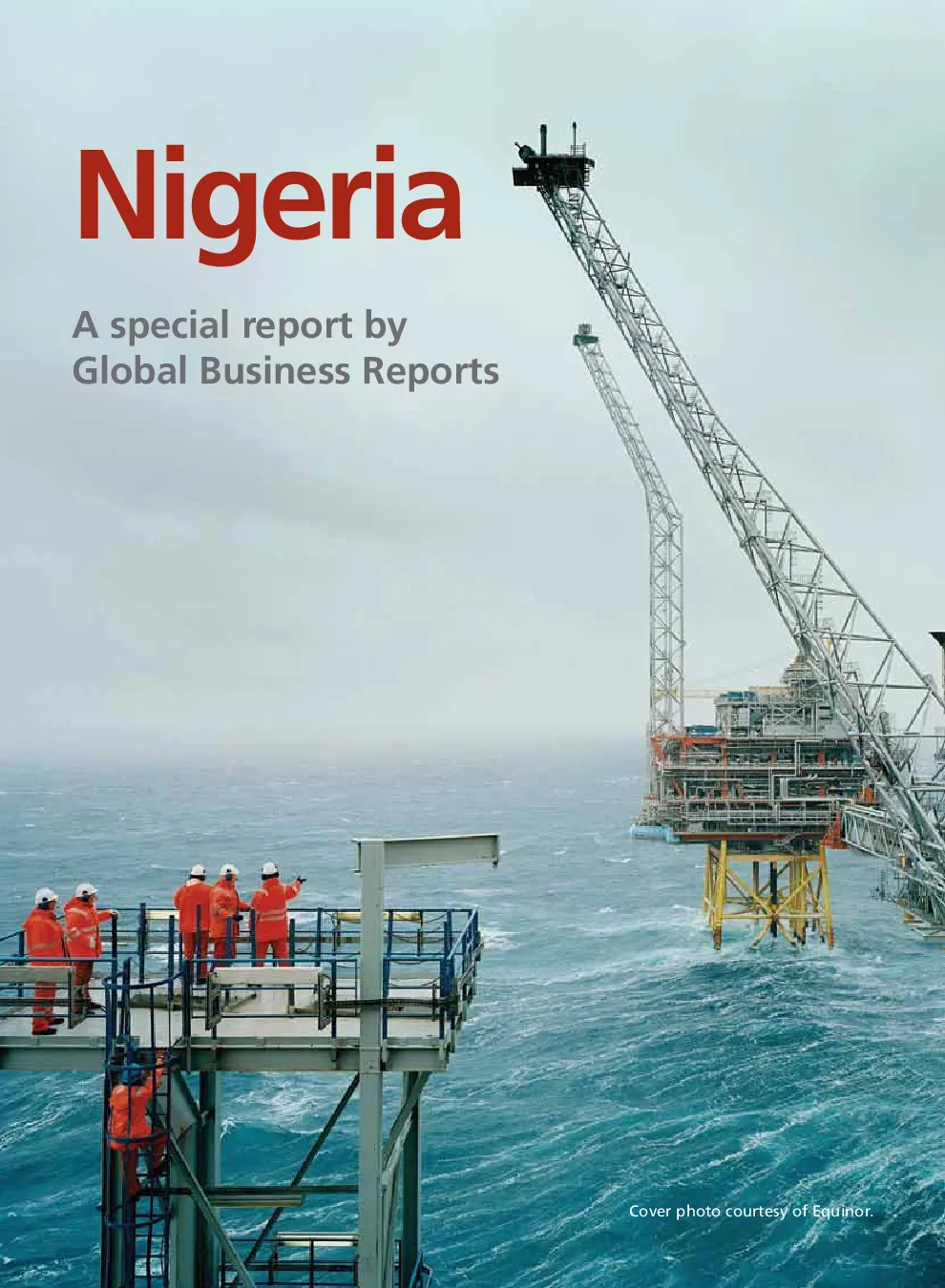
Nigeria's oil and gas industry, the largest in Africa, has not adequately contributed to the social and economic development of its population, despite being a major player in the global energy market. The country faces significant challenges, including acute inequality, poverty, and youth unemployment, exacerbated by corruption and mismanagement of oil wealth.
Historical Context and Industry Overview:
- Prior to independence, agriculture was the backbone of the Nigerian economy.
- The discovery of oil in 1956 shifted the focus to the petroleum industry, which now accounts for over 60% of the country's annual budgetary income.
- The Nigerian National Petroleum Corporation (NNPC) plays a commercial and regulatory role in the industry, alongside numerous other institutions.
- The long-awaited Petroleum Industry Bill (PIB) aims to address institutional overlaps, recognize host community rights, and update bidding processes and the fiscal framework. However, its delay has hindered exploration and gas development.
Gas Development Challenges:
- Nigeria possesses vast natural gas reserves (200.79 trillion cubic feet), yet gas production stands at only 8.5 billion standard cubic feet per day.
- The lack of fiscal and regulatory infrastructure has prevented the充分利用 of gas resources.
- The government's "year of gas" initiative aims to reduce gas flaring and promote gas monetization, but challenges remain in infrastructure development and gas pricing.
Exploration and Production Issues:
- Exploration has decreased due to the uncertainty surrounding the PIB.
- Local oil companies have contributed significantly to oil production, but fiscal terms based on existing production levels deter exploration.
- The industry faces a decline in foreign direct investment compared to neighboring Ghana, mainly due to protectionist policies.
Petroleum Industry Bill (PIB) Challenges:
- The PIB, delayed for over two decades, aims to modernize the industry and provide certainty for investors.
- The bill's delay has cost the economy approximately $200 billion annually and resulted in lost investments.
- Disagreements between stakeholders on regulatory frameworks, host community benefits, and the power of the Minister have hindered the bill's passage.
- The PIB's vague provisions and potential for increased regulation could reduce incentives for private companies.
Security Challenges:
- Nigeria faces significant security challenges, including Boko Haram terrorism, piracy, and oil theft in the Niger Delta.
- Militancy in the Niger Delta stems from resource allocation issues and neglect of host communities.
- Oil theft costs Nigerian oil companies billions of dollars annually and hinders economic growth.
- The government has launched military strikes against militants but needs a more permanent solution to address the root causes of violence.
Economic Diversification:
- Nigeria's over-reliance on oil makes the economy vulnerable to volatility.
- The government recognizes the need for diversification, with the ICT sector already surpassing the oil and gas sector in GDP contribution.
- However, the ongoing pandemic and economic downturn pose additional challenges to diversification efforts.
2020 Outlook:
- The year 2020 brings renewed hope for the Nigerian oil and gas industry, with expectations for the passage of the PIB, gas development initiatives, and the rehabilitation of state-owned refineries.
- However, the industry faces significant challenges, including the COVID-19 pandemic, the oil price war, and ongoing security issues.
- Concerted government action and investment in infrastructure, local content, and economic diversification are crucial for the industry's and country's future prosperity.