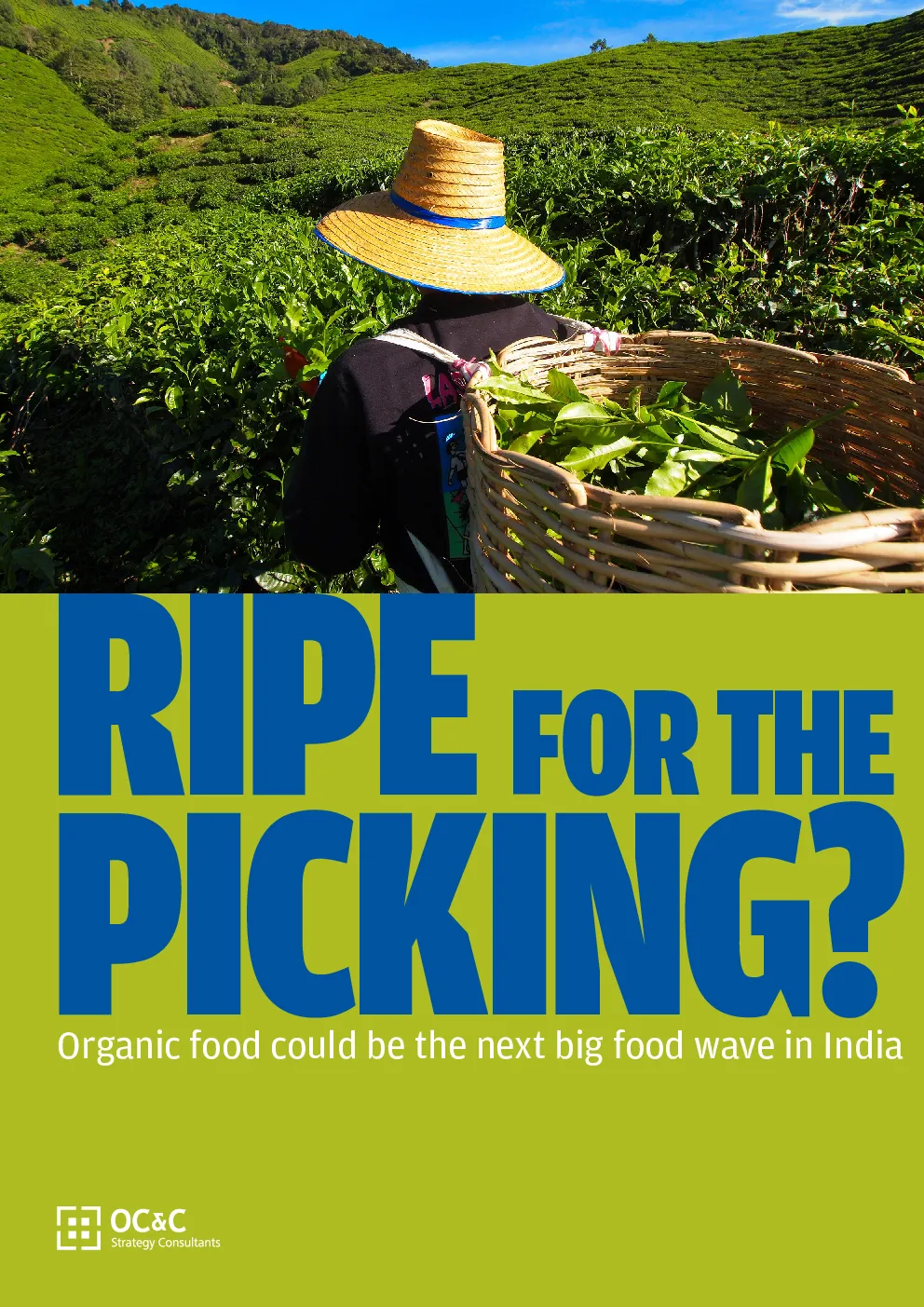
"The Organic Food Market in India: Opportunities and Challenges"
Introduction: The Indian organic food market presents significant growth potential as the middle class expands and prioritizes healthier lifestyles. With a focus on health benefits and a growing demand for products labeled 'No Preservatives', 'No Added Sugar', and 'Gluten-free', organic food holds promise for substantial expansion.
Market Dynamics:
- Demand Growth: Demand for organic food in India is growing at a rate of 36% annually, though this is based on a smaller base compared to the potential market size.
- Farming Perspective: Transitioning to organic farming is theoretically straightforward in India due to abundant natural resources and large tracts of organic land. However, practical challenges include a 3-year certification process, which affects productivity during this period.
Global Context:
- Export Trends: India significantly contributes to the global organic food market, especially to the US and Europe, accounting for approximately 90% of the market. Yet, domestically, the consumption of organic food is growing faster than export volumes.
- Latent Demand: India has a significant untapped market for organic products, suggesting a fertile ground for growth.
Challenges:
- Price Disparity: Farm gate prices for organic produce do not always justify the additional cost, discouraging farmers from adopting organic practices.
- Logistics and Processing Costs: Retailing and processing organic products are more expensive, with higher margins required for organic staples in modern trade outlets.
- Supply Chain Weakness: Small-scale farming, with multiple crop rotations, leads to erratic supply, challenging the sustainability and reliability of organic food production.
Opportunities:
- E-commerce as a Solution: E-commerce platforms offer a cost-effective solution for consumers, reducing margins and potentially increasing accessibility in Tier 2 and Tier 3 cities.
- Customer Engagement: Online platforms can enhance customer interaction, particularly in marketing organic products that emphasize health benefits over taste.
Strategic Considerations:
- Certification and Authenticity: Implementing credible certification systems and creating awareness around organic food's health benefits can alleviate consumer concerns.
- Supply Chain Strengthening: Investing in better corporate-farmer engagement mechanisms and government support could stabilize supply chains and increase organic production.
- Brand Leadership: The fragmented market provides opportunities for brand consolidation or regional player expansion to establish category leadership.
Conclusion: India's organic food market is poised for significant growth, driven by consumer demand for healthier alternatives. Addressing logistical challenges, enhancing supply chain efficiency, and leveraging digital platforms offer strategic avenues for stakeholders to capitalize on this emerging sector.