2024亚洲仍是世界自然灾害最严重地区分析报告
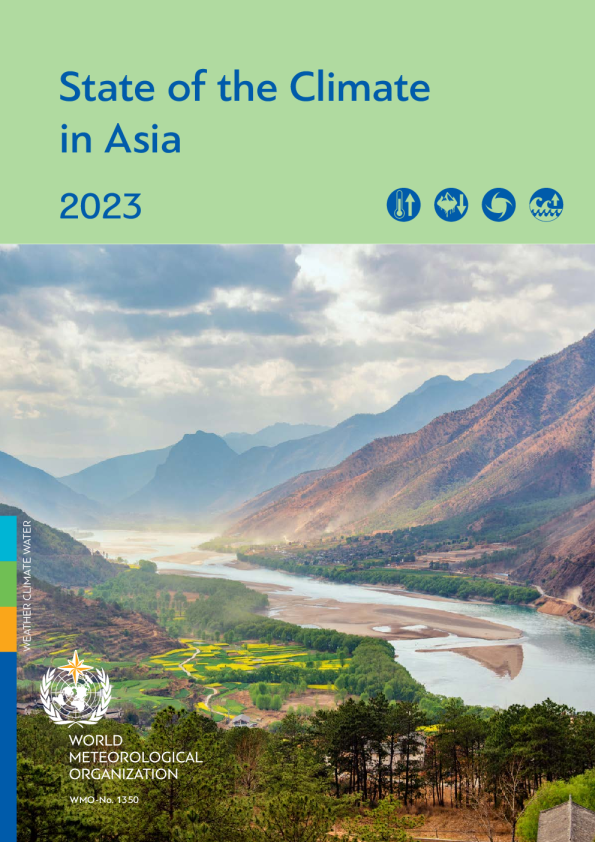
2023 WMO-No. 1350 WMO-No. 1350 © World Meteorological Organization, 2024 The right of publication in print, electronic and any other form and in any language is reserved by WMO.Short extracts from WMO publications may be reproduced without authorization, provided that thecomplete source is clearly indicated. Editorial correspondence and requests to publish, reproduceor translate this publication in part or in whole should be addressed to: Chair, Publications BoardWorld Meteorological Organization (WMO)7 bis, avenue de la PaixP.O. Box 2300CH-1211 Geneva 2, Switzerland Tel.: +41 (0) 22 730 84 03Email:publications@wmo.int ISBN 978-92-63-11350-4 Cover illustration: Yangtze river, Yunnan Province, China. Source: Adobe Stock NOTE The designations employed in WMO publications and the presentation of material in this publication do not imply the expression ofany opinion whatsoever on the part of WMO concerning the legal status of any country, territory, city or area, or of its authorities,or concerning the delimitation of its frontiers or boundaries. The mention of specific companies or products does not imply that they are endorsed or recommended by WMO in preference toothers of a similar nature which are not mentioned or advertised. The findings, interpretations and conclusions expressed in WMO publications with named authors are those of the authors aloneand do not necessarily reflect those of WMO or its Members. Contents Key messages...........................................iiForeword. . . . . . . . . . . . . . . . . . . . . . . . . . . . . . . . . . . . . . . . . . . . .iiiPreface...............................................ivGlobal climate context......................................1Regional climate. . . . . . . . . . . . . . . . . . . . . . . . . . . . . . . . . . . . . . . . .2Temperature..........................................2Precipitation. . . . . . . . . . . . . . . . . . . . . . . . . . . . . . . . . . . . . . . . . .4Cryosphere. . . . . . . . . . . . . . . . . . . . . . . . . . . . . . . . . . . . . . . . . .5Sea-surface temperature. . . . . . . . . . . . . . . . . . . . . . . . . . . . . . . . . . .9Ocean heat content. . . . . . . . . . . . . . . . . . . . . . . . . . . . . . . . . . . . . .10Sea level. . . . . . . . . . . . . . . . . . . . . . . . . . . . . . . . . . . . . . . . . . . .11Major climate drivers. . . . . . . . . . . . . . . . . . . . . . . . . . . . . . . . . . . . .12Extreme events..........................................14Tropical cyclones. . . . . . . . . . . . . . . . . . . . . . . . . . . . . . . . . . . . . . .14Heavy precipitation and flooding. . . . . . . . . . . . . . . . . . . . . . . . . . . . . .15Droughts............................................16Heatwaves and wildfires. . . . . . . . . . . . . . . . . . . . . . . . . . . . . . . . . . .16Marine heatwaves.......................................17Other extreme events.....................................18Climate-related impacts and risks. . . . . . . . . . . . . . . . . . . . . . . . . . . . . . .20Mortality and affected population. . . . . . . . . . . . . . . . . . . . . . . . . . . . . .20Status of early warning systems in Asia...........................21Early warning and anticipatory action in Asia. . . . . . . . . . . . . . . . . . . . . . .22Challenges and opportunities. . . . . . . . . . . . . . . . . . . . . . . . . . . . . . . .23Datasets and methods......................................25List of contributors........................................28Endnotes. . . . . . . . . . . . . . . . . . . . . . . . . . . . . . . . . . . . . . . . . . . . .29 We need your feedback This year, the WMO team has launched a process to gather feedback on the State of theClimate reports and areas for improvement. Once you have finished reading the publication,we ask that you kindly give us your feedback by respondingtothis short survey. Your inputis highly appreciated. Key messages In 2023, over 80% of reported hydromete-orological hazards in Asia were flood andstorm events. Yemen suffered heavy rainfalland resulting widespread floods, with over30 reported casualties and over 165000 in-dividuals affected in over 70 districts. In 2023, the mean temperature over Asiawas 0.91 °C above the 1991–2020 referenceperiod, the second highest on record. Many parts of the region experiencedex tremeheat events in 2023.Japanexperienced its hottest summer on record. Overall, the 79 reported hydrometeoro-logical hazard events in 2023 led to over2000 fatalities and impacted more than9 million people. Glaciers in High-Mountain Asia have lostsignificant mass over the past 40 years, at anaccelerating rate. In 2023, record-breakinghigh temperatures and drier conditions inthe Eastern Himalayas and the Tien Shan(mountain range) exacerbated mass loss. Approximately 80% of WMO Membersin the region provide climate services tosupport disaster risk reduction activities.However, there is a gap in climate projectionsand tailored pr