-
International Renewable Energy Agency (IRENA): IRENA is an intergovernmental organization that promotes the widespread adoption of renewable energy forms like bioenergy, geothermal, hydro, ocean, solar, and wind energy. It serves as a platform for international cooperation, a center of expertise, and a repository of knowledge on renewable energy.
-
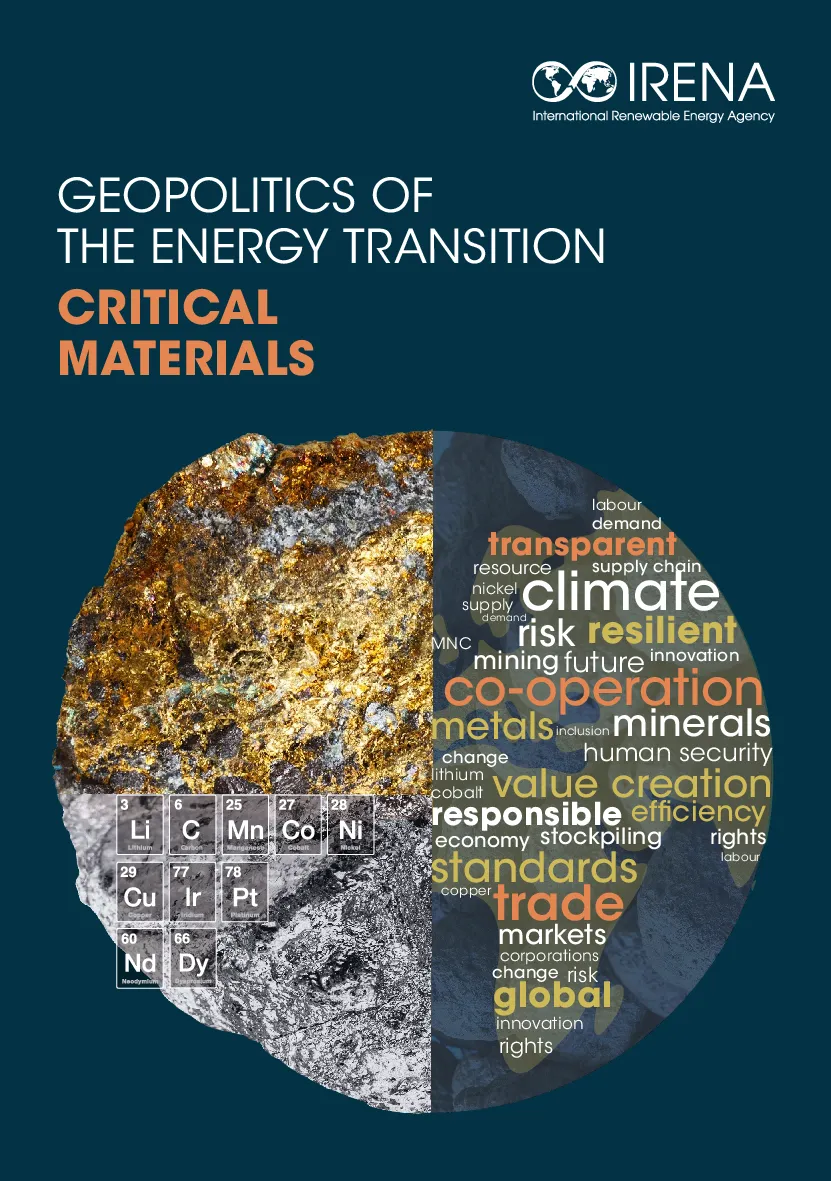
Critical Materials: The report emphasizes the importance of critical materials in the energy transition, highlighting their role in enabling technologies such as electric vehicles (EVs), batteries, and renewable energy systems. These materials include lithium, cobalt, nickel, copper, and others, crucial for the production of solar panels, wind turbines, and batteries.
-
Geopolitical Considerations: The document explores how geopolitical factors affect the supply chains of these critical materials. This includes concerns over labor rights, human rights, and corporate responsibility. It also discusses issues related to mining practices, environmental impact, and the role of multinational corporations (MNCs) in global markets.
-
Innovation and Efficiency: The text underscores the importance of innovation in improving the efficiency and sustainability of materials sourcing and processing. It mentions efforts towards creating resilient and responsible supply chains, reducing waste, and enhancing transparency.
-
Policy and Standards: The report highlights the role of international standards and policies in promoting responsible mining practices and ensuring fair trade. It mentions initiatives like the International Finance Corporation (IFC) and the Extractive Industries Transparency Initiative (EITI) in this context.
-
Economic and Security Implications: The document discusses the economic implications of the energy transition, including market dynamics, stockpiling strategies, and the potential for creating new value through more efficient use of resources. It also touches on the security aspects of material supply chains.
-
Collaborative Efforts: Various collaborative efforts and initiatives are mentioned, such as the Global Battery Alliance (GBA), which aims to improve the sustainability of battery production and recycling, and the European Raw Materials Alliance (ERMA), which focuses on securing raw materials for the European Union.
-
Regulatory and Policy Frameworks: The report also touches on regulatory frameworks and policies at various levels, including national and international, aimed at addressing the challenges and opportunities in the energy transition related to critical materials.
-
Geopolitical Challenges and Solutions: It addresses geopolitical challenges such as trade tensions, competition, and cooperation between countries in the context of critical material supply chains. Potential solutions include diversifying sources, improving transparency, and fostering international collaboration.
-
Conclusion: The document concludes with an emphasis on the need for a coordinated global approach to manage the complex geopolitical landscape of critical materials in the energy transition, advocating for sustainable, secure, and responsible practices.